

You can teach a child to play independently by creating a safe space and slowly increasing your time away from them. This guide explains how to set routines and choose toys that foster creativity, while helping you manage transitions and recognize when your child is ready for longer periods of solo play.
Setting up a space to play independently
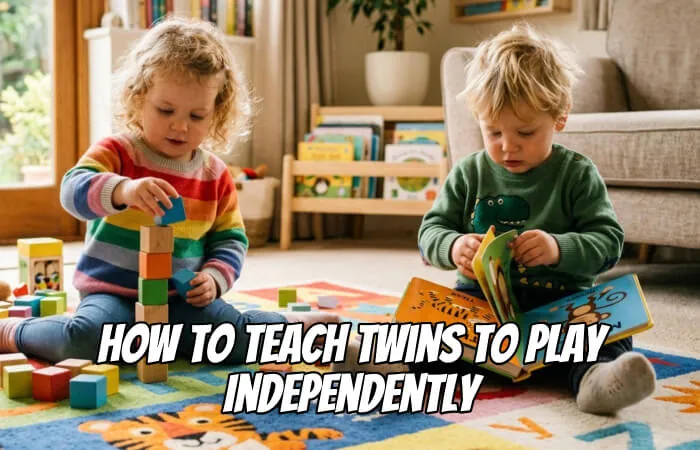
Independent play is the act of a child engaging in activities by themselves without direct adult guidance or constant interaction. It isn’t about leaving a child alone for long periods, but rather building their confidence to explore their own ideas. This practice is for parents who want to foster self-regulation and creativity in their children. A common misconception is that you must provide constant entertainment to keep a child happy; in reality, children often need space to find their own focus.
The physical space is the foundation of this skill. If the area is filled with too many options, a child may feel overwhelmed and struggle to choose. If the space is too restricted, they may feel bored and seek your attention immediately. A simple, organized setup with a few rotating toys allows a child to dive into deep play without needing your help to navigate their surroundings. According to the American Academy of Pediatrics, free play is essential for developing cognitive, physical, and emotional health.
Steps to Build Play Confidence
- Start with a “play zone” that’s fully child-proofed. Spend 5 to 10 minutes sitting in the room while your child plays, but don’t join in or direct the action.
- After a few days of this, move to the edge of the room. Keep your back turned or read a book nearby so the child sees you’re present but not available for direct play.
- Once they’re comfortable with you nearby, move to an adjacent room. Leave the door open so they can hear your voice or see you periodically.
- Set a timer for 5 minutes of solo play. If they come to find you, acknowledge them briefly, then gently guide them back to their activity.
- Gradually increase the timer by 2 to 3 minutes each week as their concentration grows.
- Always end the session before the child becomes frustrated. This keeps the experience positive and makes them more likely to try again tomorrow.
The key judgement call is identifying the difference between a child who is genuinely struggling and one who is just testing boundaries. If they’re crying or distressed, they need your support; if they’re simply seeking attention, a brief, calm redirection back to their toys is usually enough to maintain the session. If your child has developmental delays or specific sensory needs, consult your pediatrician to adapt these steps to their unique requirements.
Essential Play Parameters
| Situation | Recommended Toys | Time Goal | Focus Area |
|---|---|---|---|
| Early Toddler | Blocks, soft dolls | 5–10 minutes | Safety and proximity |
| Preschooler | Art, puzzles, dress-up | 15–25 minutes | Creative flow |
| School Age | Building sets, books | 30–45 minutes | Complex projects |
| High Energy | Movement toys, balls | 10–15 minutes | Physical release |
Mastering the Flow of Play
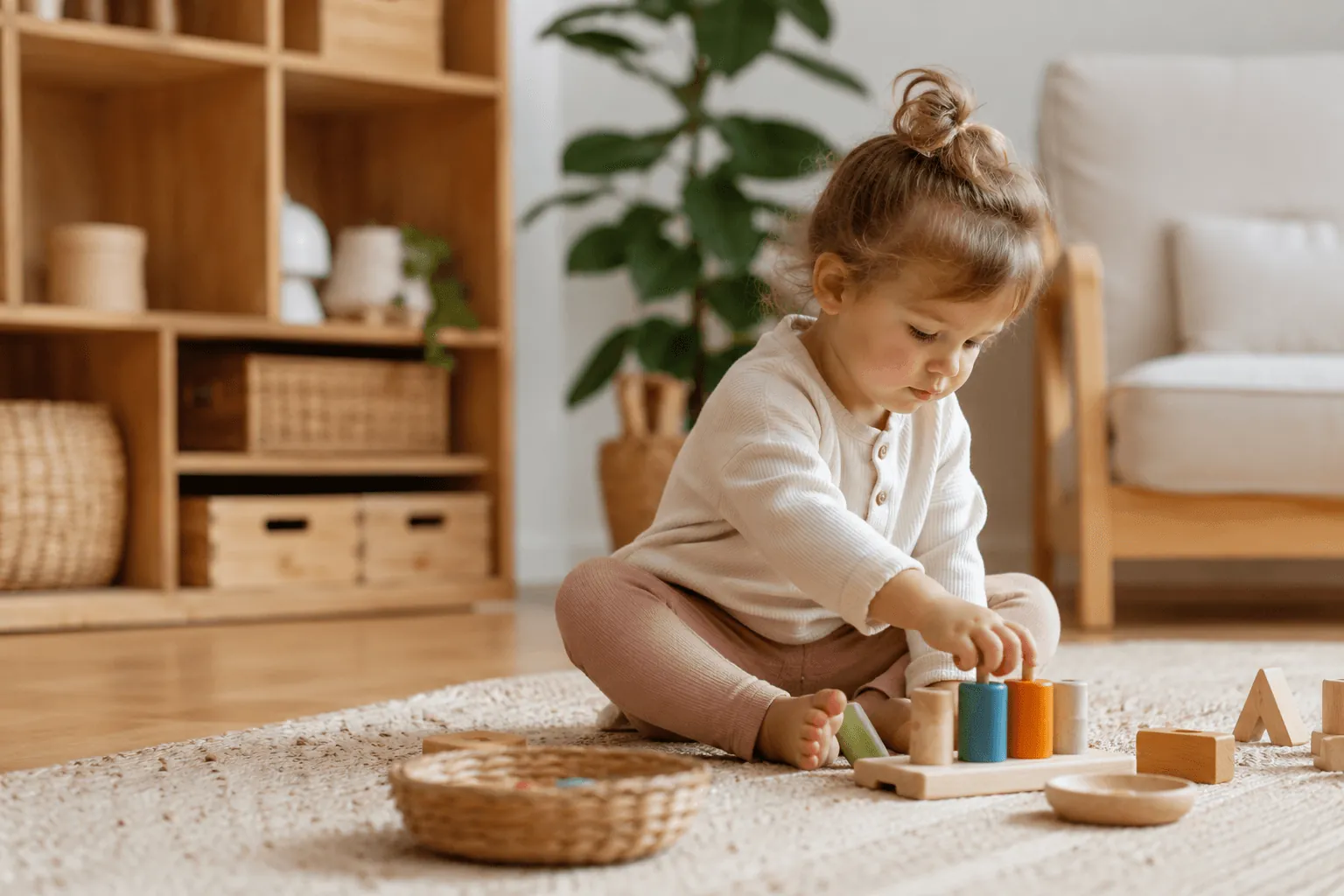
Experienced parents know that preparation is the secret to success. Before starting, ensure all necessary supplies are within the child’s reach. If a child has to ask for help to get a toy off a high shelf, the “independent” part of the play is broken. Experienced parents also keep the toy supply limited. They rotate toys every week, storing most items out of sight, which keeps the child’s interest fresh and reduces the mess they have to navigate.
Observing Without Intervening
The most common mistake is jumping in to “fix” a child’s play or suggest a better way to use a toy. If you step in, you take the lead away from the child and turn the activity into a shared task. Instead, practice the “commentary” method. If you must acknowledge them, simply describe what you see: “I see you’re building a very tall tower with those red blocks.” This validates their effort without taking control.
Maintaining the Boundary
Another mistake is leaving the child for too long before they’re ready. This leads to frustration, which makes the child fear solo play. If you notice them looking for you, check in quickly, offer a warm smile, and remind them you’re nearby. If they continue to struggle, end the session early. It’s better to have a successful 5-minute session than a 20-minute session that ends in tears.
Common Playtime Fixes
| What you notice | What it means | What to do first |
|---|---|---|
| Constant whining | Boredom or lack of focus | Rotate the toys available |
| Seeking your help | Task is too difficult | Simplify the activity |
| Leaving the zone | Need for connection | Give 2 minutes of full attention |
| Throwing toys | Overstimulation | Remove small, loose parts |
The Rules of Engagement
The primary rule is to ensure the environment is safe for unsupervised time. This means anchoring heavy furniture to walls and keeping small objects that pose a choking hazard out of reach, as recommended by the Consumer Product Safety Commission. If your child is under the age of 3, you must remain within earshot at all times, even if you’re in another room. If you’re ever unsure about the safety of a specific toy or activity, consult the product manufacturer’s age guidelines printed on the packaging.
Keeping the Routine Consistent
Once a child learns to play alone, maintaining this skill requires consistency. Try to schedule “independent time” at the same point in your daily routine, such as right after a snack or during a quiet time in the afternoon. This helps the child anticipate the activity. If they go through a phase of resisting, don’t force it. Simply go back to a shorter duration for a few days to rebuild their confidence. You can also record their progress on a simple chart to make it feel like a fun milestone rather than a chore. If you notice they lose interest in their toys, look for signs of boredom and introduce one “new” item from your stored collection to refresh their environment.
When to Change Your Approach
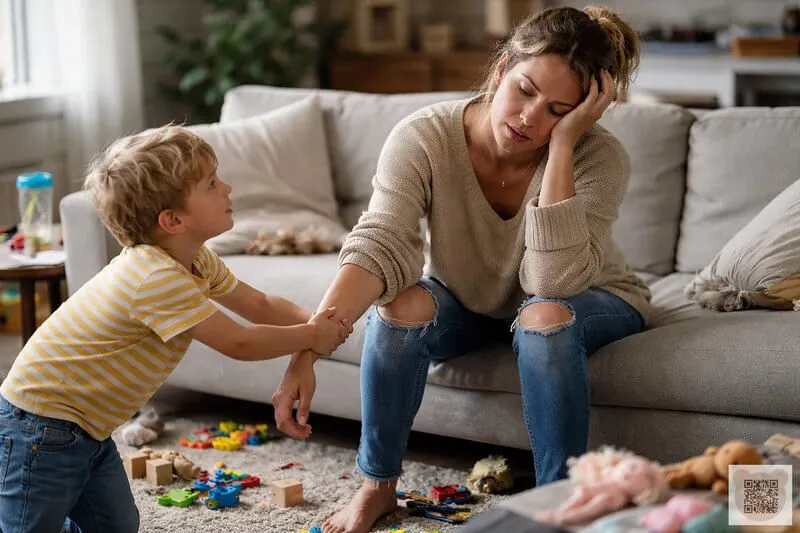
If your child consistently struggles despite your support, this approach might not be the right fit for their current temperament. Some children are naturally more social and find solo time very difficult. In these cases, try “parallel play” where you sit in the same room working on your own project, such as reading or folding laundry, while they play near you. This provides the comfort of your presence without the pressure of direct interaction. If your child shows extreme anxiety or distress whenever you leave the room, they may be experiencing separation anxiety. In such cases, stop the independent play training and focus on building their confidence through shorter, more frequent interactions until they feel more secure.
Frequently asked questions
How long should a child play alone?
A child should ideally play alone for 10 to 45 minutes, depending on their age and development. A two-year-old may manage 10 minutes, while a five-year-old can often sustain 30 to 45 minutes. Always start with shorter periods and increase the time as you see your child’s concentration improve.
Is it safe to leave a child alone?
Yes, it’s safe if the area is child-proofed and you remain within earshot. You must ensure that heavy furniture is anchored and that no small, dangerous items are accessible. The level of supervision depends on the age of the child and their ability to play safely without help.
Why does my child cry when I leave?
Your child cries because they’re seeking your connection and reassurance. They may feel anxious or simply prefer your company. If they cry, don’t leave them for long. Return to them, offer a brief hug, and help them settle back into their play before trying to step away again.
How can I help them focus longer?
You can help them focus longer by rotating their toys and keeping the play area organized. If they have too many choices, they will struggle to pick one. By providing only 3 or 4 engaging toys at a time, you help them stay focused on one activity for a longer duration.
What if they get bored quickly?
If they get bored quickly, the toys provided might be too simple or too complex for their skill level. Try offering open-ended items like building blocks or art supplies, which allow for more creative variety. If they still lose interest, they may just need a brief period of your attention.
How often should I rotate their toys?
You should rotate their toys every 1 to 2 weeks to keep their interest fresh. By keeping most toys in storage, you make the items currently in the play area feel new and exciting again. This simple change is often enough to keep a child engaged for much longer.
Conclusion
Fostering independent play is a gradual process that requires patience and a calm, consistent environment. By starting small and gradually increasing the time you spend away, you provide your child with the space they need to build their own confidence and creativity. Focus on the quality of their engagement rather than the clock, and remember that every child develops these skills at their own pace.
Related guides