

You can effectively stop a toddler from hitting by immediately catching their hand, using a firm “no hitting,” and redirecting them to a safe activity. This behavior is common because toddlers lack the language skills to express frustration, so they use their bodies instead. Consistency is the key to teaching them that hands are for playing, not for hurting others.
Why toddlers start hitting
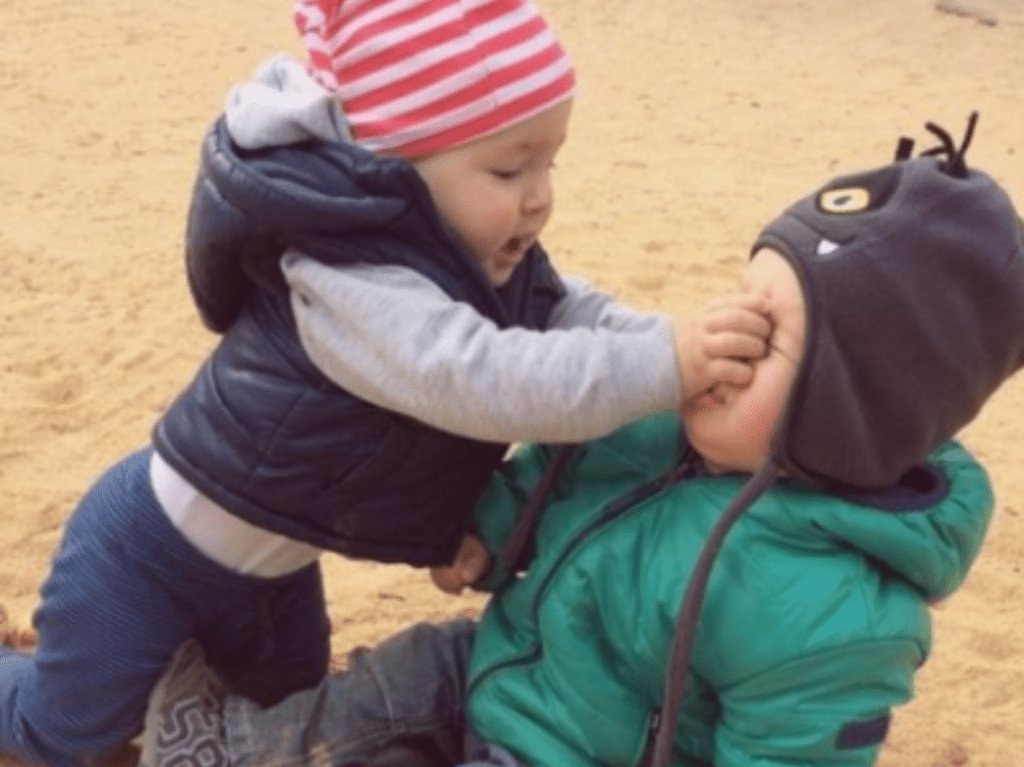
Toddlers often hit because they’re experiencing big emotions they don’t yet understand or have the words to label. When a child feels overwhelmed by anger, jealousy, or even excitement, their physical impulses take over before their brain can pause. It isn’t usually an act of malice, but a lack of impulse control. According to the American Academy of Pediatrics, this is a normal part of development as they learn to navigate social boundaries.
Another reason is a simple desire for attention or control. If a toddler realizes that hitting gets an immediate reaction from a parent, they may repeat it to see what happens next. This is why the way you react is just as important as the rule itself. If you respond with loud yelling, you might unintentionally show them that “big” reactions are normal, which can make the cycle harder to break.
How to stop a toddler from hitting: Block and redirect
If your child hits, your first move must be to block the contact. Place your hand gently but firmly in front of theirs to stop the strike before it lands. Look them in the eye and say, “No hitting. Hitting hurts.” Keep your voice calm and low. If you shout, the child becomes more focused on your anger than on their own behavior.
After you set the boundary, move them away from the situation. If they were hitting a sibling over a toy, take the toddler to a different part of the room. Give them a soft item, like a pillow or a stuffed animal, and say, “If you’re angry, you can squeeze this.” This gives them a safe outlet for their frustration. If they stay calm, praise them for using their words or for being gentle. If they continue to lash out, keep them in a quiet, boring space for a minute to reset. This isn’t a punishment, but a chance for their nervous system to calm down.
Teach alternatives for big feelings
Teaching a toddler to express their needs is the best long-term solution. When you see them getting frustrated, try to name the feeling for them. Say, “I see you’re frustrated because you want that truck.” By giving them the word, you provide a tool they can use instead of their fists.
This works best when you catch the frustration early. If you see their face turning red or their body tensing up, step in before the hit happens. Say, “You look upset. Do you need a hug or some space?” This forces them to stop and think about their body. If they’re in a daycare setting, ask the teachers to use the same language so the rules remain the same everywhere. This isn’t for a child who is currently in the middle of a full-blown tantrum, as they can’t process complex sentences while their brain is in “fight or flight” mode. Once they’re calm, practice the “gentle touch” by having them stroke your arm or a toy.
Use consistent consequences
For the hard cases where hitting remains a daily habit, you need a clear, consistent consequence. Every time a hit occurs, the interaction must stop immediately. If you’re playing, put the game away and walk away from your child for one minute. This shows them that hitting causes the fun to end.
This isn’t for a toddler who is merely exploring their environment; it’s for the child who understands the rule but chooses to break it anyway. If you find yourself having to remove them from a room multiple times a day, it means they’re likely overstimulated or overtired. In these moments, skip the lecture. Just move them to a safe, quiet spot and wait until they’re ready to rejoin the group calmly. This requires patience, as you may have to do this ten times in one hour. If you give in or change the rules when you’re tired, the child won’t learn the boundary. Check the label on any “time-out” methods suggested by others; if a method suggests isolation for long periods, it isn’t appropriate for a toddler.
What to avoid when discipline fails
-
Don’t hit back: Using physical force to punish hitting teaches the child that it’s acceptable for bigger people to hurt smaller ones when they’re angry. If you resort to pain, you lose the moral high ground required to teach emotional regulation.
-
Don’t lecture for too long: Toddlers have very short attention spans and will stop listening after the first five seconds of a long speech. Keep your correction to three words or fewer, such as “No hitting,” to ensure the message lands before their focus shifts.
-
Don’t ignore the behavior: If you don’t address the hit, the child assumes the action is allowed, which makes it much harder to change the habit later. A common mistake is waiting for a “better time” to talk; address the behavior promptly so the child can connect the consequence to the action.
-
Don’t laugh or smile: Even if the hit was weak or “cute,” laughing will confuse the child and make them think the behavior is a game. If you struggle to keep a straight face, leave the room immediately to reset your own reaction before returning to enforce the boundary.
Preventing future outbursts
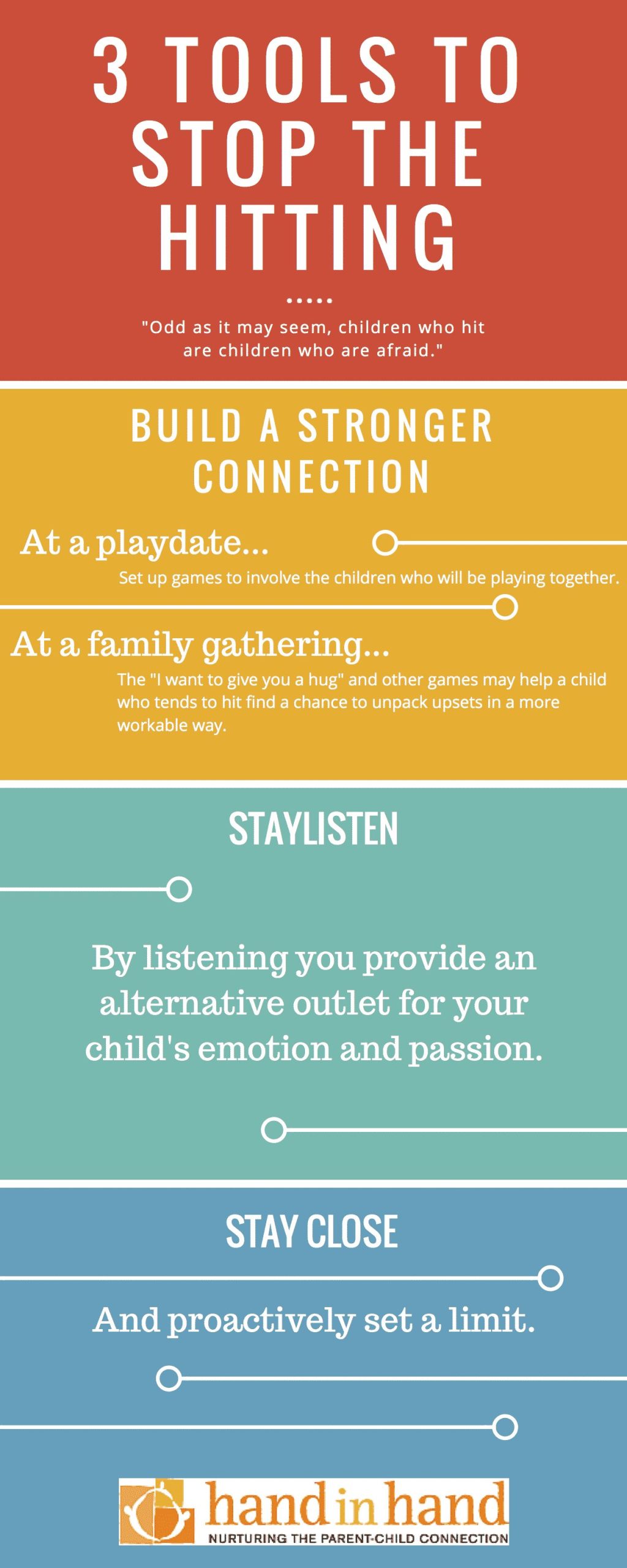
Consistent routines are the best way to prevent hitting. Use the table below to adjust your approach based on the situation.
| If you’re doing this | Do this instead | Why |
|---|---|---|
| Yelling when they hit | Use a calm, flat tone | Yelling increases their stress |
| Letting them keep the toy | Take the toy away | It stops the competition |
| Ignoring the first hit | Stop them immediately | It prevents the habit from forming |
| Changing rules daily | Keep the rule the same | Consistency builds trust |
Can I use time-outs for a two-year-old?
Yes, but keep them very short. A time-out for a toddler should last no more than one or two minutes. The goal is to provide a “reset” for their brain, not to punish them. If they leave the spot, calmly guide them back without extra talking. Once the time is up, move on immediately without bringing up the hitting again.
Why does my child hit only me?
They hit you because you’re their “safe” person. Toddlers often save their most difficult behavior for the parents they trust the most. They know you’ll still love them even when they’re acting out. It’s a sign that they feel secure enough to show you their messy, unrefined emotions, even if it’s exhausting for you.
How long does this phase last?
Most children grow out of hitting between the ages of three and four as their communication skills improve. The length of this phase depends on how quickly they learn to use words to express their needs. If you provide consistent, calm feedback, you’ll likely see a decrease in aggressive behavior within a few weeks of starting these new habits.
Is it safe to hold their hands down?
Yes, it’s safe to gently hold their hands to prevent them from hurting you or others. Use only the amount of pressure needed to stop the movement. Never squeeze or cause pain. The goal is to create a physical barrier between them and the target, not to restrain them aggressively. Once they stop trying to hit, release your grip.
What if they hit in public?
If your child hits in public, remove them from the environment immediately to a quiet corner or your car. It’s better to leave a store early than to let the hitting continue. Don’t worry about what other people think. Your only job in that moment is to keep everyone safe and show the child that hitting ends the outing.
Toddler hitting, in short
It takes time for your little one to learn these new boundaries, so stay patient while they develop better ways to communicate. You’ll find that as their vocabulary grows, the aggression naturally fades away. Just keep modeling kindness, and you’ll soon see them using their gentle hands to play instead of hurt.
Related guides