

Parents can help a shy child speak up by focusing on active listening and patience rather than pressure.
Helping your child speak in daily moments
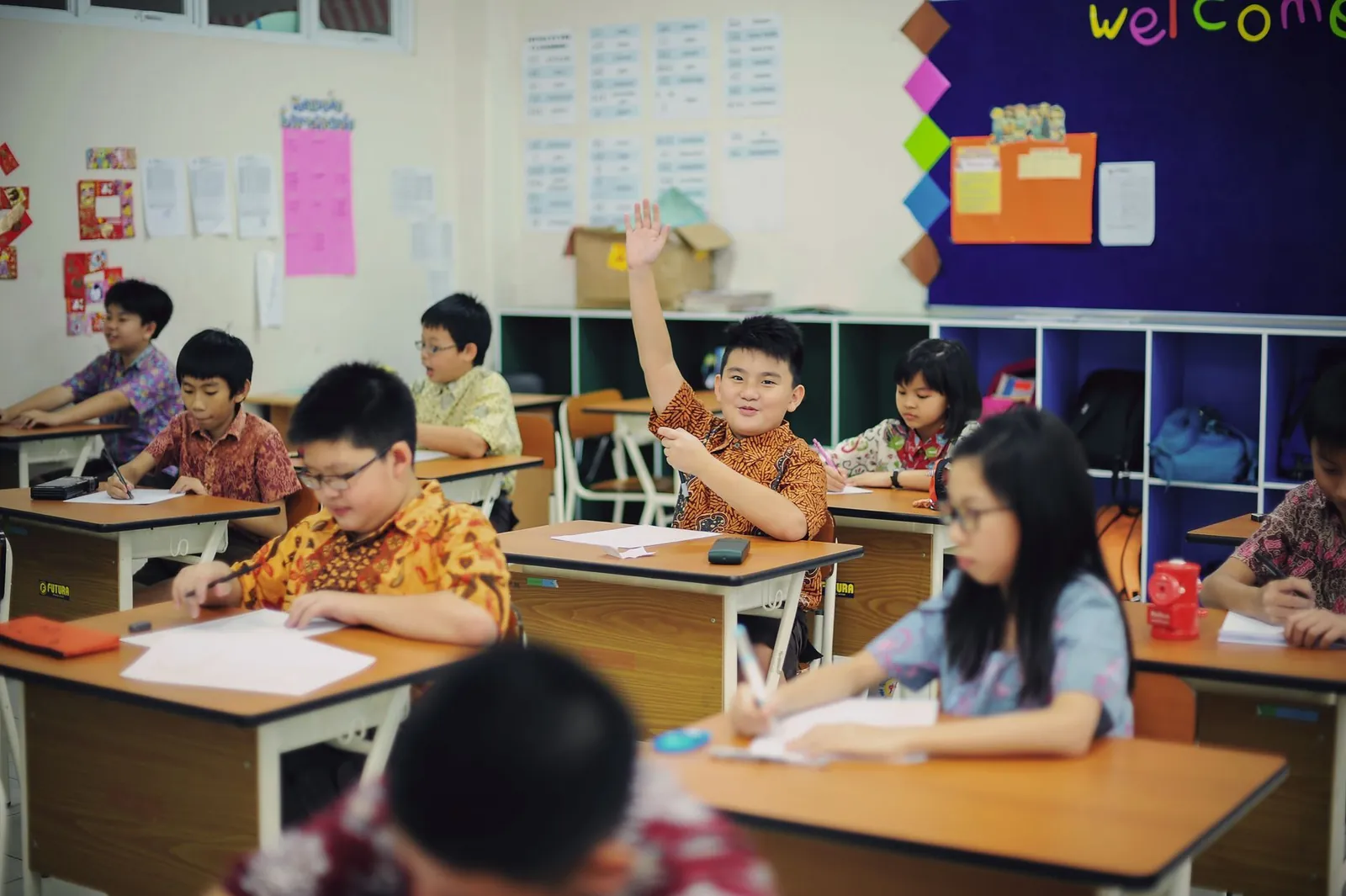
Every child develops at their own speed, and the approach you take depends on the specific environment. This table helps you identify when to intervene and how to adjust your expectations based on the setting.
| Your situation | Answer | Why |
|---|---|---|
| Family gatherings | Low pressure | Familiar faces reduce anxiety |
| New school settings | Gradual exposure | New environments increase fear |
| One-on-one play | High engagement | Safety encourages open speech |
| Public speaking | Small steps | Fear of judgment is high |
| Asking for help | Needs modeling | They need a script |
The most common mistake is pushing for a full sentence when a child is overwhelmed. If the child’s heart rate is elevated or they’re avoiding eye contact, stop the verbal demand immediately. Switch to a non-verbal gesture or a simple “yes/no” question to lower the stakes.
Use this decision rule: if the child is in a high-arousal state, prioritize regulation over vocabulary. If they’re calm, prioritize expansion. When you see them struggle to find a word, wait exactly five seconds before offering a hint. This pause prevents them from becoming passive listeners who wait for you to finish their thoughts.
What actually drives verbal confidence
The core mechanism for helping a child speak is the feeling of psychological safety. When a child feels that their voice is valued and not judged, their internal barrier to speaking lowers significantly. This isn’t about forcing them to be loud or outgoing; it’s about creating a space where they feel safe enough to experiment with words. A child who feels heard at home is statistically more likely to engage with peers, as noted in the child development resources from the American Academy of Pediatrics.
The most common mistake parents make is filling the silence too quickly. When you jump in to finish their sentence, you inadvertently signal that their processing time is an inconvenience. This costs you the child’s trust, often leading them to stop initiating thoughts altogether.
Use this decision rule to gauge your intervention: If the child is actively looking at you while struggling for a word, they’re likely seeking a collaborative bridge and will appreciate a gentle prompt. If they’re looking away, they’re likely deep in internal cognitive processing; in this case, maintain eye contact but stay silent for at least five full seconds.
This balance varies based on the individual child’s temperament. You can read your own child’s values by observing how long they take to warm up in a new room. If they look at the floor, they need more time; if they look at you, they’re ready for a small prompt.
Steps for building communication skills

-
Model active listening. When your child speaks, turn your body toward them and maintain soft eye contact without interrupting. This shows them that their words have power and that you’re genuinely interested in what they have to say. If you find yourself multitasking, stop entirely. A divided focus signals that their thoughts are secondary to your chores.
-
Use open-ended questions. Instead of asking “Did you have a good day?” which only requires a yes or no, ask “What was the funniest thing that happened at lunch today?” This forces them to construct a full sentence. If they respond with one word, ask a follow-up about the “how” or “why” to expand the narrative.
-
Role-play common interactions. Practice simple social scripts at home, such as ordering food or asking to join a game. If you practice these in a low-stakes environment, they will feel more prepared when the real moment arrives. A common mistake is practicing only once; repeat these scripts until the child can recite them without looking at you.
-
Celebrate small efforts. Praise the process of trying rather than the result of being loud. If they speak up to a cashier or a teacher, acknowledge the bravery it took to do that regardless of how quiet their voice was.
-
Provide a safety bridge. If you’re in a group, offer to speak for them only once, then encourage them to finish the thought. This gives them a starting point without leaving them entirely alone in the conversation. Use this rule: if they freeze for more than five seconds, provide a single sentence prompt to restart their momentum.
The common mistake that hurts progress
The most frequent mistake parents make is forcing their child to “use their big voice” or perform for relatives. This pressure often causes the child to retreat further into their shell, creating a negative association with speaking up. It costs you the trust you have built, as the child begins to see social interaction as a test they might fail rather than a way to connect.
The decision rule is simple: if the child is silent, don’t apologize for them or push them to answer. If you intervene by apologizing, you signal that their silence is a social failure. Instead, smile and say they’re taking a moment to think, then move the conversation forward yourself.
This protects their dignity and keeps the pressure off. By removing the performance requirement, you lower the stakes of the interaction. If the child feels safe, they’re far more likely to engage spontaneously within ten minutes. If you force the issue, you may trigger a shutdown that lasts for the entire visit. Always prioritize the child’s comfort over the relative’s expectation of an immediate, polite response.
When to stop and seek help
Sometimes silence isn’t just shyness but a sign of something that requires a professional. You should stop your DIY efforts and consult a pediatrician or a speech-language pathologist if you notice the following:
-
The child doesn’t speak at all in specific settings, such as school, while being talkative at home. This pattern, known as selective mutism, often persists for more than one month and interferes with academic performance.
-
They show physical signs of distress, like shaking, freezing, or hiding, whenever they’re expected to talk. If these reactions occur even in low-pressure, one-on-one interactions, it suggests an anxiety-based barrier rather than simple hesitation.
-
Their language development seems significantly behind their age group. A reliable rule is that a two-year-old should use at least fifty words and combine them into two-word phrases. Falling behind this threshold may indicate a communication disorder.
-
They suddenly stop speaking after a period of being verbal. This regression is a red flag for a traumatic event or a neurological shift.
If you reach this point, these professionals have the training to diagnose underlying anxiety or developmental delays. Never ignore a total lack of speech in public, as early intervention is essential for long-term social success.
Frequently asked questions
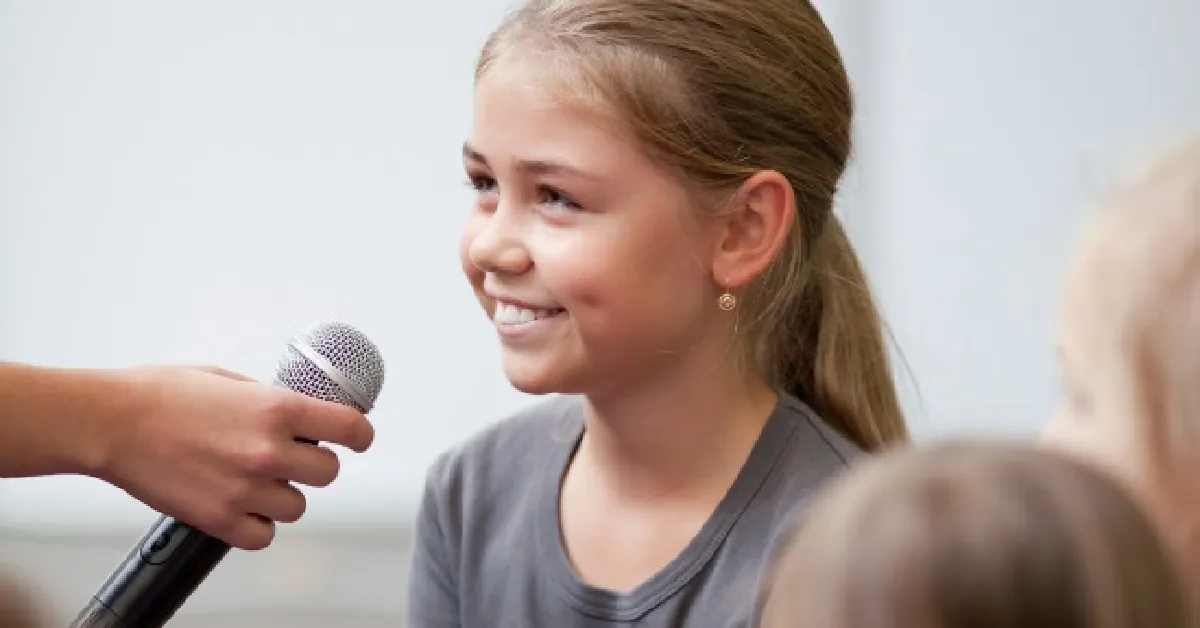
How long does it take for a shy child to become more talkative?
Progress is measured in months, not days, and it varies based on the child’s natural temperament and the consistency of your support. Most children start to show small, incremental gains in their willingness to speak after about 3 to 6 months of consistent, low-pressure encouragement at home.
Is it safe to push a shy child to talk to strangers?
It isn’t safe or helpful to force them, as this often increases their anxiety and damages their trust in you. Instead of pushing, you should model how to interact with people by speaking politely to strangers yourself, letting your child observe that these interactions are safe and routine.
Why does my child talk at home but not at school?
The difference in behavior occurs because the home environment is a safe space where they don’t fear judgment, while school introduces social hierarchies and academic pressure. This state, often called selective mutism, is a clear sign that the child is overwhelmed by the social demands of the classroom environment.
Does it matter if my child is quiet in large groups?
It doesn’t matter if they’re quiet, provided they’re still interacting comfortably in smaller, one-on-one settings. Many children are naturally introspective and prefer deep, individual connections over the noise of large groups, which is a personality trait rather than a problem to be solved.
How can I help if my child is afraid of being teased?
The best way to help is to validate their feelings while teaching them that they have the right to set their own pace for speaking. Remind them that their voice is their own, and they don’t have to speak just because someone else expects them to do so.
What happens if I stop trying to make them talk?
If you stop pushing, you’ll likely see a decrease in their anxiety, which often leads to them speaking up more on their own terms. When the pressure to perform is removed, the child feels more secure and is more likely to choose to engage in their own time.
Conclusion
Start by observing your child’s natural comfort level in different settings to identify their specific triggers. Expect to see small signs of progress, such as more eye contact or a shy smile, before they start using their words more frequently. If you notice they’re becoming increasingly distressed or isolated, stop your current approach and consult with a professional who can provide specialized guidance for your child’s needs.
Related guides