

Consistency between parents and teachers is the most effective way to address toddler biting at daycare how to stop the behavior. You must mirror the response used at school to ensure the child understands that biting is never acceptable, regardless of the setting. If the teacher uses a “time-in” or a firm “no-bite” rule, you should use that same language at home. This creates a predictable environment where the child learns that their actions produce the same result every single time.
Common reactions and better responses
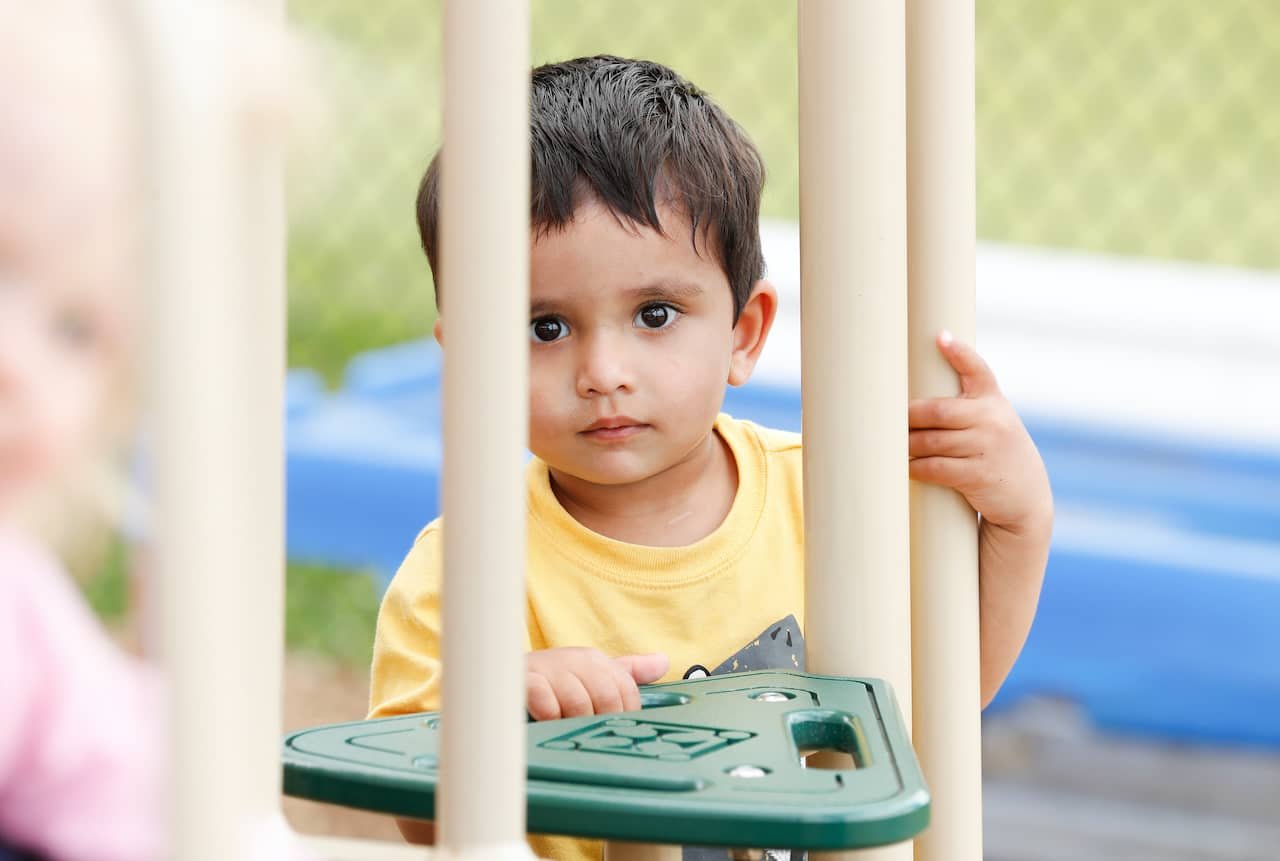
Most people try to punish the child by biting them back or shouting, but this only teaches them that aggression is a valid way to solve problems. It often leads to more biting because the child feels confused or scared by the sudden loss of control from an adult. Instead, you should focus on calm, firm redirection that helps the child express their needs without using their teeth.
| What most people do | What to do instead | Why it matters |
|---|---|---|
| Yelling at the child | Use a firm, neutral tone | Yelling increases the child’s stress |
| Biting them back | Explain “teeth are for food” | Biting back models aggressive behavior |
| Ignoring the incident | Address it immediately | Immediate feedback links action to result |
| Forcing an apology | Model empathy and repair | Toddlers lack true empathy skills |
| Removing all toys | Redirect to a safe outlet | Total restriction causes more frustration |
| Asking “why” they bit | Observe for sensory triggers | Toddlers can’t explain their impulses |
Use immediate, calm intervention
When a bite happens, you must intervene instantly to stop the action and protect the other child. The goal is to remove the reward of the bite, which is often the reaction or the toy the child wanted. By keeping your face and voice neutral, you avoid giving the child the “big” emotional response they might be seeking.
If you’re at home and your child bites, you should say “No biting, biting hurts” while placing them in a safe space for one minute per year of age. This period allows them to calm their nervous system before you try to talk about what happened. If you notice the child is biting because they’re tired or hungry, you must adjust their routine immediately. If you see the biting happen when the child is overstimulated, you must move them to a quiet room to reset. Check the daycare’s specific policy on how they handle these transitions, as some centers have strict rules on how long a child must be separated from the group.
Teach better social skills
You should help your child find words or gestures to express their feelings before they feel the need to bite. Many toddlers bite because they want a toy or want someone to move out of their personal space. You can practice “using your words” or “using your hand to say stop” during play at home.
If the child bites to get attention, you must prioritize the victim first. By turning your back on the biter and focusing your care on the child who was hurt, the biter sees that their action leads to being ignored rather than being the center of attention. This is a trade-off: you’re temporarily ignoring your own child to show them that hurting others results in a loss of connection. This isn’t for children who have underlying sensory processing disorders; those cases require a professional assessment from a pediatrician to identify specific triggers. A common mistake people make is waiting until the end of the day to talk about the bite. The child will have forgotten the event, and the correction will be useless. Address the behavior in the moment, or as soon as you’re aware of it, to ensure the lesson sticks.
Redirect the physical energy
Some children bite because they have excess energy or a high need for oral stimulation. If you notice your child chewing on toys or sleeves, provide a safe alternative like a chew necklace or a firm piece of fruit. This gives them a healthy way to satisfy their sensory needs without hurting anyone else.
If the child is biting because they’re frustrated with a task, such as a puzzle or a building block set, you must step in to help them before they reach a breaking point. If you see them getting red in the face or gritting their teeth, intervene by offering a different activity. This isn’t for children who are biting out of clear, calculated malice, which is rare at this age. If the behavior persists despite your efforts, you must check the daycare’s records to see if the biting happens at specific times, such as before nap or lunch. If it happens regularly, the trigger may be hunger. Consult with the daycare staff to see if adjusting their snack time helps. Don’t assume the child is “mean”; they’re simply overwhelmed by their own physical development and need your guidance to bridge the gap.
Advice you can ignore
- Biting them back: This teaches the child that biting is a tool for people in power to use.
- Shaming the child in front of others: This destroys their self-esteem and doesn’t teach a new, positive skill.
- Assuming it’s a permanent personality trait: Biting is almost always a temporary stage that fades with better language skills.
- Expecting an apology: Toddlers lack the brain maturity to understand the concept of being sorry.
The right way, start to finish

- Stop the bite immediately by gently moving the child away from the victim.
- Use a short, firm phrase like “No biting, it hurts” while maintaining a neutral, calm facial expression.
- Turn your attention to the child who was bitten to offer comfort, showing the biter that aggression doesn’t earn attention.
- Remove the biter from the situation for a short “time-in” of one minute per year of age to help them calm down.
- After the calm-down period, offer a safe alternative, such as a teething toy or a soft pillow to squeeze.
- Practice social skills, such as asking for a turn or saying “stop,” during calm moments at home to build better habits.
Why does my toddler bite at daycare?
Biting is usually a way for toddlers to communicate frustration, hunger, or a need for sensory stimulation when they lack the words to express it. It’s rarely done to be mean, but rather as a reflex when they feel overwhelmed by their environment.
How long does this biting phase last?
Most children grow out of biting within a few months as their language skills improve and they learn to express their needs. If you provide consistent, calm responses, you’ll see a reduction in the behavior quickly. If it continues for more than six months, consult your pediatrician to rule out any developmental delays.
Is it safe to let them play with other kids?
Yes, it’s safe to keep them in a social setting as long as the teachers are actively supervising to prevent incidents. Removing them from daycare can actually slow down their social development. The key is for the adults to be close enough to intervene before a bite happens, rather than reacting after the fact.
What happens if I ignore the biting?
Ignoring the biting will likely cause the behavior to continue or even increase because the child hasn’t learned a better way to cope. They need you to show them the right way to act. If you don’t provide a clear boundary, the child will continue to use biting as their primary problem-solving tool.
Does it matter if they bite at home too?
Yes, it matters because consistency is the only way to stop the habit. If you allow biting at home but the daycare tries to stop it, the child will be confused about what is allowed. You must use the same firm, calm “no” at home to reinforce the lesson they’re learning at school.
How do I talk to the daycare about it?
You should ask for a meeting with the teacher to align your strategies. By using the same phrases and response methods at home as they do at daycare, you create a unified plan that helps your child learn faster.
Addressing this behavior requires patience, but you’ll see progress as your child gains the tools to express themselves clearly. Stay calm and stay consistent.
Toddler biting, in short
Be patient as your little one grows out of this phase. It’s a stressful time, but they’ll eventually learn better ways to express their big emotions. Reach out to your child’s teacher this week to check in on their progress; you’re a team, and you’ll get through this together.
Related guides
How to Stop a Toddler From Hitting: Proven Strategies
How to Stop Sibling Fighting Without Yelling