

You can stop sibling fighting without yelling by using calm, firm redirection to manage conflicts. This approach works because children mirror the intensity of their parents, so staying quiet forces them to lower their voices to hear you. These outbursts usually stem from a need for attention or a lack of tools to resolve disputes over shared items.
Why siblings start fighting
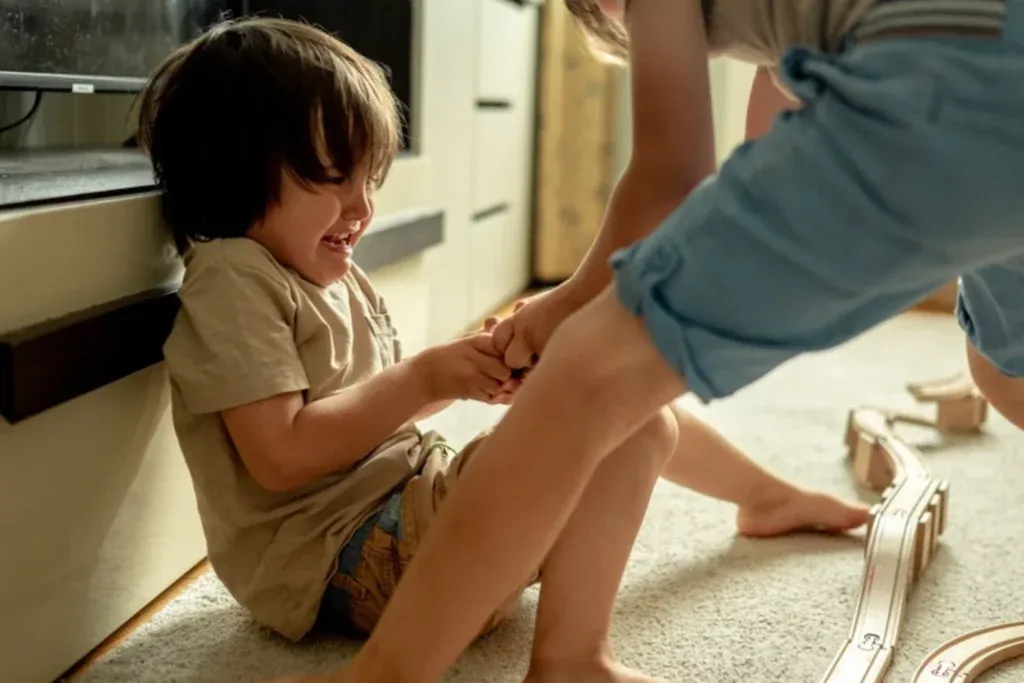
Children often argue because they’re still developing the ability to express frustration or share space. When one child takes a toy, the other might react with physical force because they lack the vocabulary to explain their anger. This creates a cycle where the loudest child gets the most focus, inadvertently teaching them that fighting is an effective way to get noticed.
Another factor is the natural competition for resources, which includes both physical objects and your time. If you notice the arguments happen mostly during specific times—like before dinner or right after school—the underlying cause is likely fatigue or hunger. A child with low blood sugar or a tired brain has much less patience for sharing.
The most common mistake parents make is intervening as a judge rather than a coach. When you pick a winner, you validate the conflict as a zero-sum game. Instead, use a simple decision rule: if the conflict is about a shared toy, set a timer for five minutes of play per child. If the conflict is about your attention, offer a “special time” slot for each child later in the day. This shifts the focus from winning the argument to securing the connection they crave. When you identify the trigger, you stop treating the symptom and start addressing the child’s actual need.
Use the distraction and redirect method
This fix is for parents who find themselves trapped in a loop of constant, low-level bickering. When you see a fight starting, don’t jump in to judge who is right. Instead, walk into the room and calmly state, “I see you both want the blue block, but we have a problem.” Immediately suggest an alternative activity that requires no sharing, such as moving to separate stations to draw or play with different sets.
If the children are under six, physical redirection works best. Gently lead one child to a different area of the room and offer them a new task, like sorting colored beads or building a separate tower. The goal is to break the focus on the contested item without making the situation a moral debate. If the fighting continues, it’s time for a “cool down” period where they play in separate rooms for 10 minutes. This gives their nervous systems a chance to reset. If you’re uncertain about the right duration for a cooldown, follow the rule of one minute per year of the child’s age. This isn’t a punishment, but a neutral way to lower the intensity of the room.
Implement the turn-taking timer
This fix is for siblings who fight over specific high-value items, like a tablet or a popular game. When a dispute arises, introduce a visual timer, such as a sand timer or a simple kitchen clock. Tell the children that the first person gets the item for 10 minutes, and then the timer will signal it’s time for the second person to have their turn.
This removes you as the “referee” because the clock makes the decision, not your preference. You must be consistent; if the first child refuses to hand over the item when the bell rings, the item is removed from the rotation entirely for the rest of the day. This creates a clear consequence that’s tied to the behavior, not to your anger. You’ll know this is working when the children start asking each other, “Is it my turn yet?” rather than grabbing the item. This approach works best for children old enough to understand the concept of time, usually starting around age four. If you’re dealing with a child who has a developmental delay or a disability, consult your pediatrician to adjust the timing expectations for their specific needs.
Teach active problem solving
This is the advanced method for when children are old enough to talk through their feelings, typically ages seven and up. Sit them down together when they’re already calm, not in the middle of a fight. Ask them to suggest two ways they could share the item fairly the next time they want it at the same time. Write their ideas down on a piece of paper and tape it to the wall.
This method isn’t for toddlers, as they lack the cognitive control to negotiate. It’s for older children who need to take ownership of their social environment. If they come up with a rule, they’re much more likely to follow it than a rule you dictated to them.
A common mistake is intervening too early when the conversation stalls. If you step in to suggest the solution, you rob them of the vital practice of compromise. Instead, use a timer. Give them five minutes to reach a consensus. If they can’t agree on a solution, the default rule is that the item is off-limits until they can agree.
This teaches them that their ability to play with desirable items depends on their ability to cooperate. If they’re arguing over a screen, the rule is no screen time for anyone. If they’re fighting over a toy, the toy goes into a box for the day. It’s worth the extra time, but it requires you to be patient as they struggle to find the right words.
Mistakes that make fights worse
-
Forcing an immediate apology: This teaches children to lie to escape your notice rather than feeling genuine empathy. If you demand a “sorry” before the child understands the hurt caused, you prioritize social compliance over emotional growth.
-
Declaring a winner and loser: This fuels resentment and ensures the “loser” will try to get even during the next conflict. Instead, focus on the problem. If both children contributed to the friction, assign a shared task to fix the mess rather than assigning blame.
-
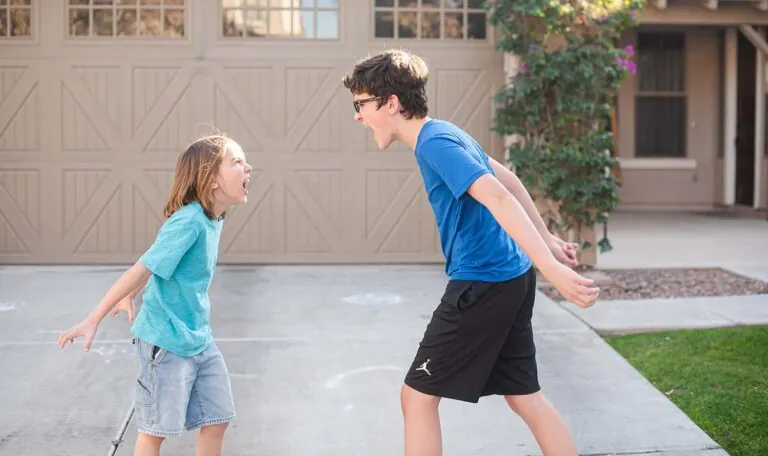
Yelling for them to stop: This models the exact aggressive behavior you’re trying to discourage. It teaches them that volume equals power. If you find yourself shouting, take ten seconds to step into another room.
-
Ignoring the fight until it explodes: This forces you to intervene at a high intensity. It makes it much harder to keep your own voice calm and objective.
How to stop the cycle for good
If you’re currently intervening in every single argument, change your approach to focus on prevention and clear boundaries. The goal is to move from being a referee to being a coach who observes from the sidelines.
| If you’re doing this | Do this instead | Why |
|---|---|---|
| Yelling “Stop it right now!” | Walk over and stand silently | Silence stops the escalation of noise |
| Asking “Who started this?” | Focus only on the solution | Blame prevents cooperation |
| Taking the toy away forever | Set a timer for equal turns | It teaches fairness and patience |
| Forcing them to hug it out | Let them play in separate areas | It gives them space to process anger |
Why do my children fight more when I am tired?
Children are sensitive to the “emotional climate” of the home. When you’re tired, your own patience is thinner, and you might use a sharper tone or react faster to minor issues. Children pick up on this tension, which makes them feel less secure and more likely to act out.
How long should a timeout last?
A standard timeout lasts one minute for every year of the child’s age. If you have a four-year-old, the limit is four minutes. This is enough time for a young child to calm their heart rate and reflect on their actions without feeling abandoned. If they seem panicked or overly distressed, shorten the time and focus on a calming activity together instead.
Is it safe to let them work it out themselves?
It’s safe to let them resolve minor disagreements as long as there’s no hitting, biting, or verbal abuse involved. If you hear language that’s meant to hurt or see physical aggression, you must step in immediately. Your role is to ensure the environment remains physically and emotionally safe for both children while they practice these difficult social skills.
What happens if one child always starts it?
The child who starts the most fights is often the one seeking the most connection or the one struggling with impulse control. Instead of labeling them as the “troublemaker,” look for ways to give them positive attention when they’re playing quietly. When they learn they can get your focus by being kind, they will choose the easier path.
How can I stop the fighting before it starts?
You can prevent many fights by keeping a regular routine and ensuring the children have enough downtime. Fights often spike when children are over-scheduled or when they have had too much screen time. Use the morning to plan a few activities where they play separately, which helps them build the habit of independent play.
Do I need to be involved in every dispute?
No, you should only intervene when the conflict turns physical or when the shouting becomes constant. Letting them struggle through small disagreements builds their resilience and problem-solving skills. If you jump in too early, you rob them of the chance to learn how to negotiate with each other, which is a vital skill for their future relationships.
Consistent, calm boundaries are the foundation of a peaceful home. By removing your own volume from the equation, you create a space where your children can learn to manage their emotions and respect one another. It takes time, but your patience today builds their ability to resolve conflict for the rest of their lives.
Related guides