

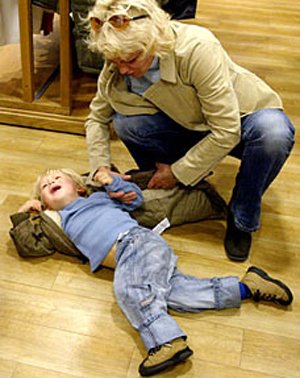
When your child has a meltdown in a store or park, the most effective way to manage a toddler throwing tantrums in public what to do is to remain calm and move them to a quiet, safe space until they regain control. This approach works because it removes the audience and the stimulation that often fuel the behavior. The most common cause is simply a lack of emotional regulation skills; toddlers have big feelings but don’t have the vocabulary or impulse control to manage them when they feel frustrated, hungry, or overstimulated.
Why Toddlers Throw Public Tantrums

Tantrums aren’t a sign of bad parenting or a “naughty” child. They’re a normal part of development as your child learns to assert independence. When a two-year-old says “no” to everything, they’re testing boundaries and trying to understand their own power in the world. Often, the transition from play to an errand or a nap is the trigger. If you’re in a loud or busy environment, the sensory input can overwhelm their nervous system, making it impossible for them to process your instructions or requests.
Physical needs are also frequent culprits. A tired or hungry toddler has significantly less capacity to cope with the word “no” or a change in plans. Because they can’t yet explain their feelings, the frustration comes out as screaming, hitting, or dropping to the floor. The American Academy of Pediatrics explains that these outbursts are a natural byproduct of a child’s desire to do things for themselves while lacking the physical or mental ability to do so. Recognizing that this is a developmental phase helps you stay steady when the noise levels rise.
Move to a Neutral Space
If you’re in a grocery store or a crowded lobby, the best action is to pick up your child and move to a quieter area, such as your car or a less busy corner of the building. This is for parents who need to de-escalate the situation without the pressure of onlookers. By leaving the immediate area, you remove the “stage” that your child is performing on, which often causes the intensity of the tantrum to drop quickly.
Once you’re in a quiet spot, stay close and offer a calm, steady presence. You don’t need to lecture or explain why they can’t have the toy or the treat right now. They can’t hear you while they’re in the middle of a massive emotional surge. Simply wait for the crying to subside. If they’re hitting or kicking, hold them firmly enough to keep them safe, but keep your tone neutral. Once they settle, you can offer a short, simple acknowledgment of their feelings, such as “It’s hard when you can’t have that toy,” before moving on to the next activity.
Keep Your Own Reactions Low

Managing your own stress is just as important as managing your child’s behavior. A common mistake people make is trying to reason with a screaming child or getting angry, which only adds more emotional noise to the situation. When you yell, it teaches the child that loud, aggressive behavior is the standard way to handle conflict. If you find yourself feeling like you might lose your temper, pause and take three deep breaths before you speak.
This strategy isn’t for the parent who wants an instant fix; it’s for the parent who wants to model emotional regulation over the long term. If your child is biting or hitting, use a firm, low voice to say, “No hitting, hitting hurts.” Then, immediately place them down or separate them from the person they’re bothering. If they’re in danger of hurting themselves or others, you must step in immediately. If you struggle to keep your own emotions in check during these moments, it’s a sign to practice calm-down techniques at home when things are quiet, so they become a habit when you’re out in public.
Consistency Over Perfection
When you’re trying to change how your child handles frustration, consistency is your most powerful tool. If you give in to a demand once because you’re embarrassed by the public scene, you have accidentally taught your child that a tantrum is a successful way to get what they want. This trade-off is difficult because it means you might have to abandon a full cart of groceries or leave a park early to show that the tantrum doesn’t work.
The limit here is that every child responds differently based on their temperament. A sensitive child might need more physical comfort, while a strong-willed child might need more space to get their frustration out before they’re ready to listen. Always check the label on your own patience; if you’re exhausted, you’re less likely to be consistent. If the tantrums become violent, occur many times a day, or last longer than 20 minutes, consult your pediatrician to rule out other issues.
Avoid These Common Pitfalls
- Don’t argue or negotiate: Trying to reason with a child who is mid-meltdown is ineffective because they’re currently operating from their emotional brain, not their logical one.
- Don’t give in to demands: If you provide the item they were screaming for to “make it stop,” you’re reinforcing the behavior, which makes it more likely to happen again tomorrow.
- Don’t ignore their safety: While you should ignore the shouting, never ignore behaviors that cause physical harm to the child or others; stop the action immediately.
- Don’t worry about strangers: Most people have been in your shoes before, and the opinion of a stranger in a store matters far less than your child’s learning process.
Prevent Future Outbursts
Preparation is the best way to keep your day running smoothly when you’re out with a toddler. The goal is to set your child up for success by meeting their physical needs before you leave the house.
| If you’re doing this | Do this instead | Why |
|---|---|---|
| Running errands while they’re tired | Schedule outings after a nap | A rested child handles frustration better |
| Heading out without snacks | Pack a small bag of familiar snacks | Hungry children lose their patience quickly |
| Expecting them to follow you silently | Give them a small job to do | It gives them a sense of control |
| Starting a new task suddenly | Give a five-minute warning | It helps them prepare for the transition |
Why does my toddler hit when they’re frustrated?
Hitting is a physical release for feelings they can’t put into words yet. Because they lack the vocabulary to say, “I am angry,” they use their hands to express that big energy. You can help by catching the moment before they strike and saying, “Use your words, you’re mad,” while showing them how to stomp their feet instead.
Is it safe to leave a child alone during a tantrum?
No, never leave a toddler truly alone, but you can give them physical space while remaining within eyesight. If they’re in a safe, enclosed area, you can step back a few feet to allow them to calm down without feeling crowded. Always ensure they can’t reach anything dangerous or escape into a busy area while they’re upset.
How long should a normal tantrum last?
A typical tantrum lasts between two and five minutes, depending on the child’s age and the level of stimulation.
How do I stop bedtime battles?
Establish a consistent, calm routine that starts at the same time every night. If they fight sleep, keep your tone low and avoid engaging in long conversations or arguments, as this provides the stimulation they seek.
What if my child bites at daycare?
Biting is often a response to being overstimulated or unable to communicate a need to a peer. Talk to the teachers to see if there’s a pattern, such as specific times of day or specific playmates. The teachers should be providing consistent consequences, and you should reinforce the message at home that biting is never an acceptable way to solve a problem.
How can I get my child to listen without yelling?
Get down to their eye level, use a quiet, firm voice, and wait for them to look at you before you speak. If you yell, their brain goes into survival mode and stops listening to your words. By keeping your voice low and your body calm, you model the exact behavior you want them to copy when they feel frustrated or overwhelmed.
Toddler throwing, in short
Remember that these moments don’t define your parenting or your child’s character. It’s just a normal part of growing up. Next time you head out, bring a favorite snack or toy to help keep them settled. You’re doing a great job, and things will get much easier as they learn to communicate.
Related guides
How to Get a Toddler to Listen Without Yelling: Proven Methods
How to Teach a Child to Manage Emotions: A Practical Guide