

Parents can help a child build emotional intelligence by naming feelings as they happen, which teaches them to manage emotions through consistent modeling. This process requires daily practice and patience, as children mirror the reactions they see in their caregivers. It’s a medium-effort task that costs nothing but your time.
Teaching your child to manage emotions

You don’t need expensive items to guide your child, but having a few simple visual aids helps children who are still learning to identify their internal states. Use this table to organize your approach.
| Item | How much | Why it’s needed | A substitute |
|---|---|---|---|
| Feeling chart | 1 visual | Shows names of emotions | Draw faces yourself |
| Quiet corner | 1 space | Provides a safe break | A soft floor cushion |
| Timer | 1 unit | Tracks calm-down time | Counting slowly to 20 |
| Books | 2-3 titles | Explains feelings simply | Tell personal stories |
| Journals | 1 per child | Tracks daily moods | A simple notepad |
The most common mistake parents make is forcing a child to use these tools while they’re still in the middle of a meltdown. If your child is screaming or physically lashing out, their prefrontal cortex is effectively offline. In this state, they can’t process a feeling chart or a timer.
The decision rule is simple: if the child is dysregulated, focus only on physical safety and co-regulation through your calm presence. Once their breathing slows and they regain focus, then introduce the journal or the quiet corner.
Using these tools too early turns them into punishments rather than aids. If you notice your child avoiding the quiet corner, it may be too isolated; move it into the main living area where they can feel secure while still having space to process their emotions.
Preparation for emotional coaching
-
Clear a small space in your home that serves as a “calm-down zone” where your child can go when they feel overwhelmed. Stock this area with soft textures like pillows or weighted blankets, but avoid screens. This physical boundary creates a psychological signal that the environment has shifted from chaos to safety.
-
Remove distractions like tablets or loud television shows during times when you’re actively discussing feelings. If a device is nearby, the child will naturally fixate on the screen to avoid the discomfort of the emotional work.
-
Ensure you have a neutral, quiet time to talk. Trying to teach emotional regulation during a tantrum is like trying to teach a swimming lesson during a hurricane. Wait until the child’s heart rate has returned to baseline, usually 20 minutes after the peak of the outburst.
-
Recognize that this process requires you to remain a steady anchor. If you feel your own pulse racing, step away for two minutes to regain your composure. If you engage while dysregulated, you’re merely modeling the same erratic behavior you’re trying to discourage.
-
Consult a pediatrician if outbursts interfere with daily life or if the child can’t connect with peers. If these episodes last longer than 30 minutes or occur multiple times daily, professional intervention is necessary to rule out sensory processing issues.
Helping a child regulate feelings

- Identify the emotion your child is experiencing by using clear, simple labels like “sad,” “angry,” or “frustrated” as soon as you notice a shift.
- Validate the feeling by saying “I see you’re angry because your toy broke,” which shows the child that their reaction is heard and understood.
- Set firm limits on behavior while allowing the feeling, explaining that it’s okay to be angry but not okay to hit others.
- Offer a physical way to release tension, such as taking three deep breaths or squeezing a soft pillow for 30 seconds.
- Wait for the child to calm down completely before you start any conversation about what caused the specific emotional reaction.
- Ask the child to describe physical sensations like a tight chest or hot face to improve their internal awareness.
- Discuss a better way to handle the situation next time, such as asking for help instead of yelling when they feel stuck.
- Praise the child when they use their words to express a difficult feeling, even if they weren’t perfect in their reaction.
Signs of emotional progress
You’ll know your efforts are working when your child begins to name their feelings without your prompts. Instead of a tantrum, you might hear them say, “I feel frustrated,” which is a clear sign that they’re moving from reactive behavior to self-awareness.
Watch for a decrease in the intensity and duration of their outbursts over a period of four to six weeks. If your child is still struggling to identify emotions after months of practice, they may need more support in developing their vocabulary.
The American Academy of Pediatrics notes that children build resilience when they feel safe and understood, which allows them to practice handling challenges. If the behavior remains aggressive or destructive despite your consistent coaching, it’s time to seek advice from a school counselor or a licensed child therapist.
A common mistake is confusing emotional regulation with compliance. If your child is quiet but remains visibly tense or withdrawn, they’re suppressing, not processing. True progress is marked by verbal expression, not just silence. Always look for progress in small steps rather than expecting total emotional control overnight.
Troubleshooting emotional responses
| What happened | Why | What to do |
|---|---|---|
| Child ignores me | Too overwhelmed | Stop talking and wait |
| Child hits me | Loss of control | Gently stop their hands |
| Child hides away | Needs more space | Respect their privacy |
| Child cries more | Feeling invalidated | Listen without fixing |
| Child won’t talk | Not ready yet | Try later today |
When a child ignores you, they have reached a sensory ceiling. If you continue to lecture, their brain shifts from processing to defensive shutdown. Silence is the only way to lower their cortisol levels.
If a child hits you, the mistake is responding with anger or a long explanation. Your child is currently operating from their amygdala, not their reasoning center. Focus strictly on physical safety by blocking the strike with a calm, neutral hand. Save the “lesson” for when their heart rate slows.
If your child hides, don’t force them into a conversation. Pushing for an immediate debrief signals that your agenda matters more than their comfort. If they remain withdrawn for more than two hours, offer a simple, non-verbal gesture like a glass of water or a favorite snack. This signals availability without the pressure of a forced interaction. If they accept the offering, you have successfully bridged the gap.
Frequency of emotional coaching
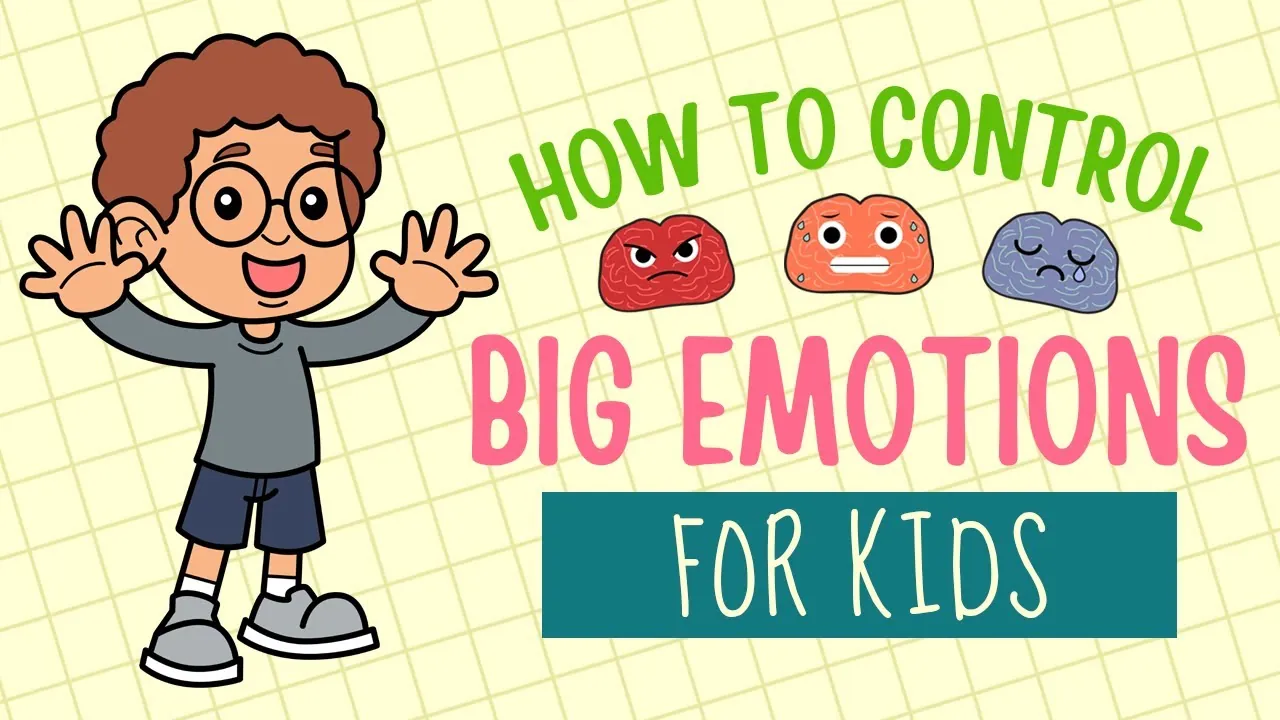
You should practice emotional coaching every day, as these skills are learned through repetition rather than one-time lessons. The frequency of your check-ins changes based on the child’s age and their current level of stress.
Younger children often need more frequent, short reminders throughout the day. Aim for three to five brief touchpoints during routine transitions, such as waking up or finishing a meal. Older children may only need to discuss feelings when a specific conflict arises. For them, wait for a natural opening rather than forcing a scheduled sit-down.
Keep the sessions brief to avoid overwhelming the child. A conversation lasting longer than three minutes often shifts from coaching to lecturing, which causes most children to tune out. The goal is to make emotional awareness a natural part of your daily routine.
If you notice a major life change, such as a move or a new school, you’ll likely need to increase your check-ins to help them process the extra stress. If the child’s behavior remains volatile after two weeks of increased support, shift your focus from coaching to professional intervention. You’re in the right zone if the child starts to name their own emotions without your prompt.
Frequently asked questions
Can I teach a child to manage emotions if they’re very young?
Yes, you can start early by labeling simple emotions for your child. Even before they speak well, they understand the connection between their feelings and your calm responses. Use simple, one-word labels like “mad” or “happy” to help them build a foundation for their future development.
Why does my child get worse when I try to talk?
Your child is likely in the middle of a “fight or flight” response where their brain can’t process logic. Stop talking immediately and focus on helping them feel physically safe and calm. Once their heart rate slows down and they’re quiet, you can return to the conversation.
How long does it take for a child to learn this?
Most children show noticeable improvement after four to eight weeks of consistent, daily practice. It’s a slow process that depends on the child’s temperament and how often they face situations that trigger their emotions. Keep your expectations realistic and celebrate small wins.
Is it safe to let a child feel angry?
Yes, it’s perfectly safe and healthy for a child to feel anger, provided they express it in safe ways. The danger isn’t the feeling itself, but the lack of healthy outlets for that feeling. Teach them that all feelings are valid, but actions must remain safe for everyone.
What happens if I lose my temper too?
If you lose your temper, it’s an opportunity to show your child how to apologize and repair a relationship. Acknowledge your mistake by saying, “I felt frustrated and I yelled, which wasn’t the right thing to do.” This teaches them that even adults struggle with big feelings.
Does it matter if I use a specific emotion chart?
No, the specific chart matters less than your consistent communication. The chart is merely a tool to help children name experiences when they lack the vocabulary. Choose any visual aid that aligns with your child’s age and interests to support their emotional development.
Conclusion
Start by simply noticing your own reactions during a stressful moment today. When you stay calm, you give your child a safe space to learn. It won’t happen overnight, but you’re building a foundation for their future happiness. Just keep showing up, and you’ll see them grow more confident every day.
Related guides