

Teaching kids personal hygiene starts with simple, daily routines and visual charts to track progress. Consistency is the most effective way to help children build habits that last a lifetime, as steady practice turns chores into automatic behaviors. This approach works best for toddlers and school-age children who need clear, step-by-step guidance to understand the importance of cleanliness for their health. By breaking tasks into small pieces, you make it easier for them to succeed every single day.
Tools to teach kids personal hygiene
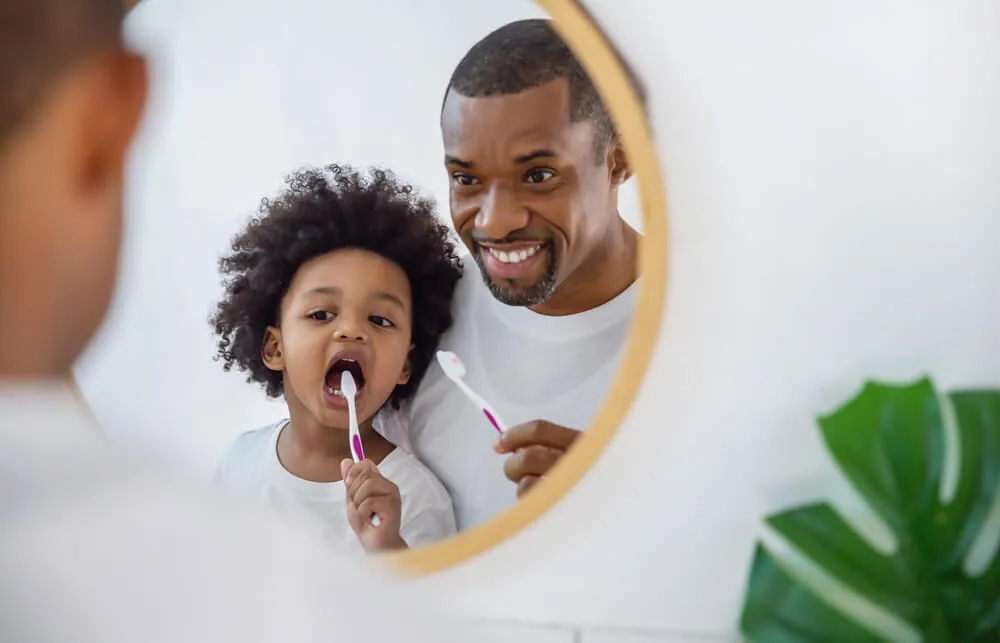
To help your child build healthy habits, you need a few key items that make the process easier and more fun. Focus on tools that fit their size so they can reach sinks and mirrors without help.
- Step stool: Choose a non-slip model that’s tall enough for your child to reach the faucet comfortably. If they must stand on their tiptoes, the stool is too short and creates a fall risk.
- Mild soap: Use a gentle, unscented liquid soap that’s easy for small hands to pump and lather. Avoid bar soaps, which often slip out of wet hands and lead to frustration.
- Soft toothbrush: Pick a brush with a small head and soft bristles designed for a child’s age range. Replace the brush every three months or immediately after they recover from a cold.
- Fluoride toothpaste: Use a pea-sized amount for children aged 3 and older to help prevent tooth decay. For children under 3, use a smear no larger than a grain of rice.
- Visual chart: Create a simple checklist with pictures that shows tasks like brushing, washing hands, and combing hair. Place this at eye level to encourage independence.
- Gentle shampoo: Select a “no-tears” formula to avoid irritation if it gets in their eyes during baths.
If your child finds a specific scent or texture unpleasant, try swapping to an alternative brand immediately. You don’t need expensive gadgets, but you should check that all soaps and toothpastes are approved for use by the FDA. Proper training isn’t required for these tools, but always supervise children under six to ensure they use the correct amount of product.
Steps for building hygiene habits
- Demonstrate the process first. Perform the task yourself while your child watches so they see every motion. Explain why you’re doing it, such as “we wash hands to get rid of germs that make us sick.”
- Use a visual schedule. Place a picture-based chart on the bathroom wall. Let your child put a sticker on the chart after they finish each task, like brushing teeth or washing their face.
- Supervise every session. Stay in the room until they show they can handle the task safely alone. For handwashing, ensure they scrub with soap for at least 20 seconds, covering the backs of their hands and between fingers.
- Make it a game. Use a timer or a short song to make brushing teeth or scrubbing hands last the right amount of time. If they rush, they miss spots; tell them they must finish the whole song before rinsing.
- Review the progress daily. Check their work gently after they finish. If they missed a spot, show them where, but keep the tone encouraging so they want to try again tomorrow.
- Increase independence slowly. Let them do more as they get better. If they’re struggling with a complex task like flossing, step in to assist until their motor skills catch up.
Tip: If your child resists a specific task, try letting them pick their own toothbrush color or soap scent. Careful: Never let a child use hot water without checking the temperature first to avoid accidental burns. If you feel overwhelmed by a child’s strong refusal, consult your pediatrician for age-appropriate behavioral strategies.
Adapting to your child’s needs
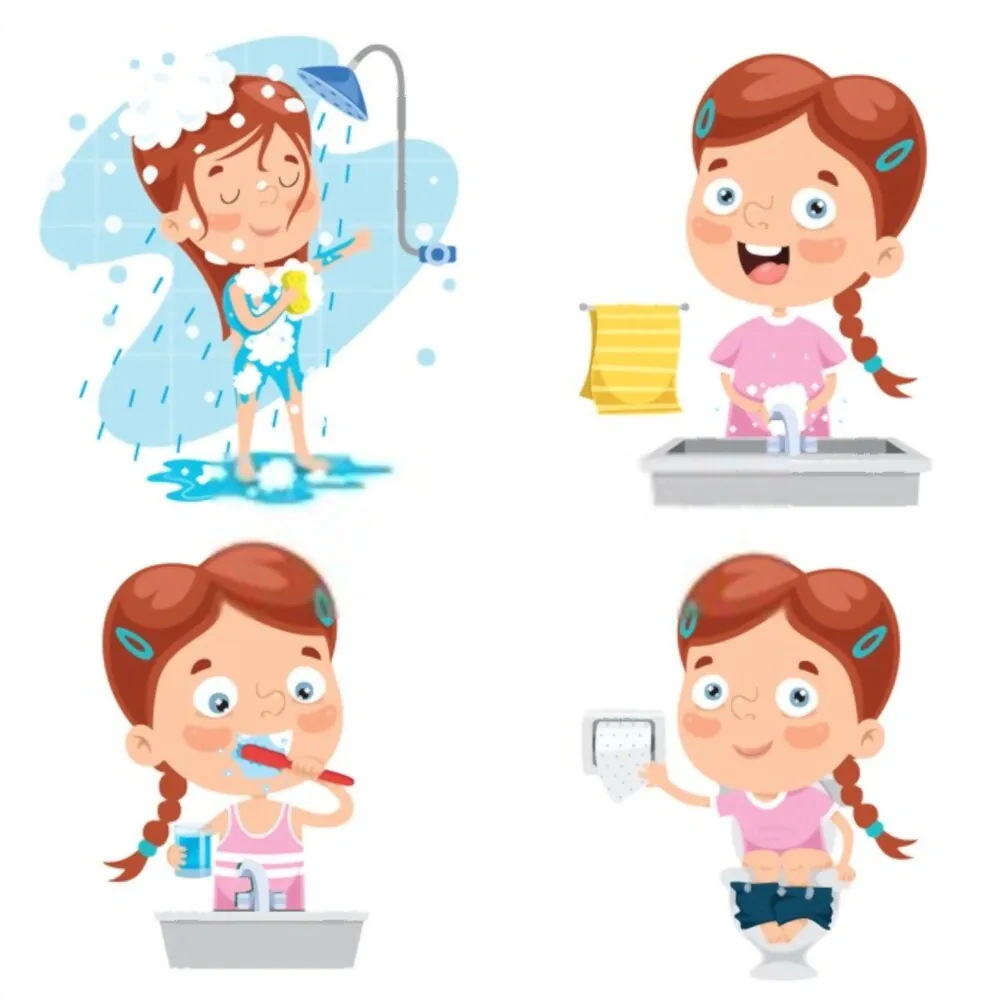
Hygiene habits change as your child grows, so you must adjust your expectations based on their age and motor skills. Starting with small, manageable goals prevents frustration for both you and your child.
| Situation | Time Needed | What Changes | Watch For |
|---|---|---|---|
| Toddlers (2-3) | 5-10 minutes | You do most of the work | Skin irritation |
| Preschoolers (4-5) | 10-15 minutes | They try, you finish | Proper technique |
| School-age (6+) | 15-20 minutes | They do it alone | Consistency |
Use this simple decision rule: if your child can’t tie their own shoelaces, they lack the fine motor control for independent flossing. In this case, continue to provide direct assistance to avoid missed spots and gum damage.
A common mistake is assuming that physical growth equals cognitive readiness. If your child resists a routine, don’t force the entire process. Instead, break the task into three distinct steps. If they complete the first step consistently for one week, introduce the second.
Overshooting by trying to teach five new rules at once usually leads to a total breakdown in compliance. Focus on the quality of the effort rather than the speed of the transition. When you see them rushing to finish, shorten the list of requirements until their focus returns.
How to check for success
A good result is a clean child who understands the process, not just someone who goes through the motions. Look for signs that they’re actually using soap and water, such as bubbles in the sink or a clean, fresh scent after a bath.
A poor result often looks like dry, soapy residue left on the skin or teeth that still feel fuzzy after brushing. This usually happens because the child is rushing to finish, so emphasize the importance of taking their time.
You can prevent these issues by checking their work physically or using a “disclosing tablet” for teeth, which highlights plaque they missed. If you notice persistent issues, like skin rashes or poor oral hygiene, consider if the products are too harsh or if the child needs a different brush style.
The primary mistake parents make is correcting the child immediately after they finish. This causes the child to view the inspection as a punishment rather than a learning moment. Instead, wait ten minutes before checking. If the result is poor, ask them to identify one spot they missed before you point it out. This builds their own internal diagnostic skills.
Keep the environment positive and reward the effort, not just the perfection of the result, to keep them motivated.
Rules and routine maintenance
The primary standard for hygiene is to ensure children wash their hands after using the bathroom and before eating, as recommended by the Centers for Disease Control and Prevention. Scrubbing for at least 20 seconds is the threshold for effectiveness; anything less fails to break down the lipid membrane of common viruses.
Clear away all used towels and replace them with fresh ones regularly to stop the spread of bacteria. If your child uses a bathroom frequently, keep the counter wiped down and the soap dispenser full. A common mistake is using bar soap, which collects residue; switch to a pump dispenser to ensure the child actually uses the product.
Record their progress on a calendar to identify patterns in their behavior. If a child consistently skips a step, revisit the instructions to ensure they understand the “how” and the “why.”
If your child has sensory issues that make standard hygiene difficult, consult an occupational therapist who specializes in pediatric sensory integration. They can provide specific tools, like textured sponges or temperature-controlled faucets, that make these daily requirements much easier for your child to accept.
Different ways to teach
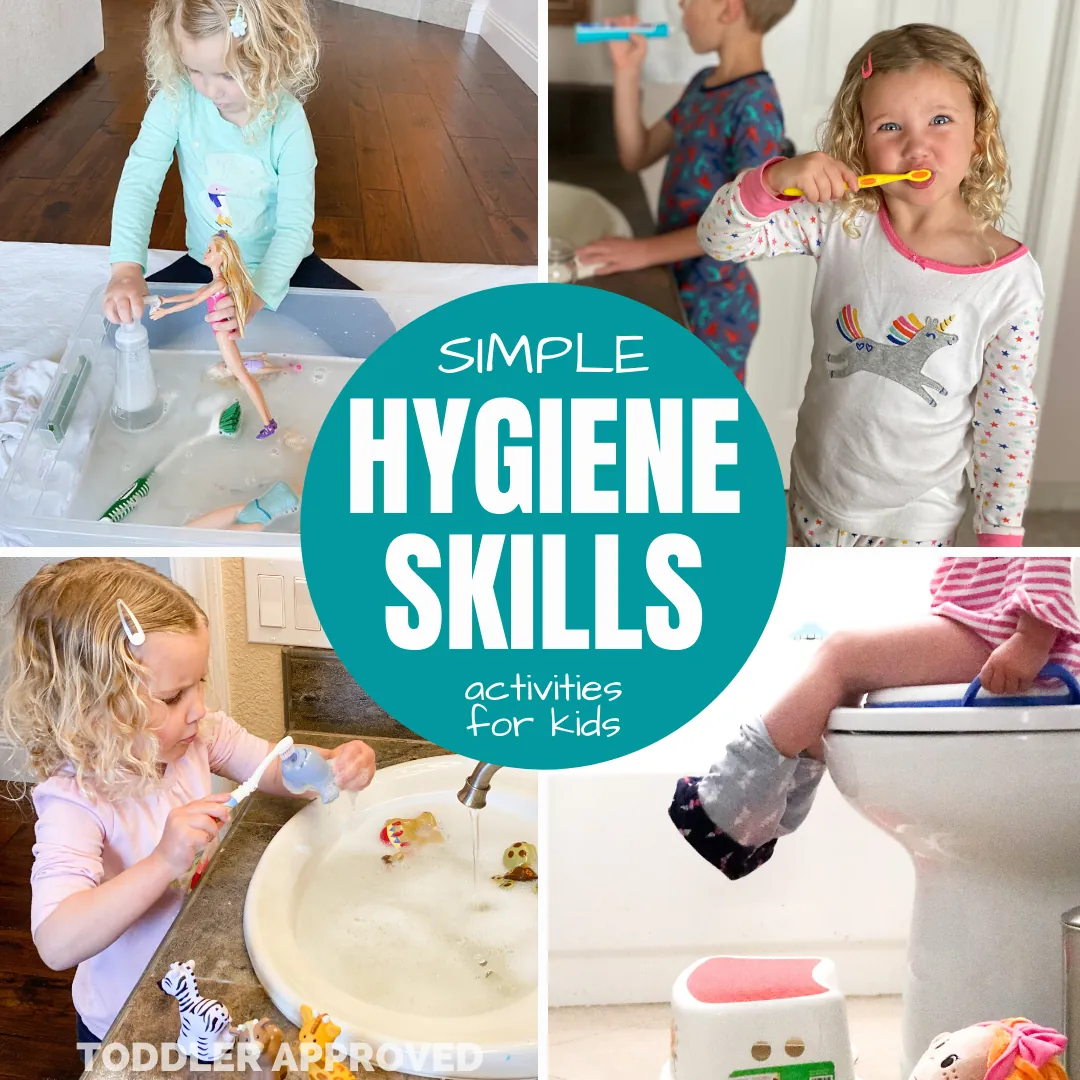
Using video tutorials
Show your child short, animated videos that explain germs and hygiene. This is great for visual learners who respond better to characters than to lectures. It takes the pressure off you as the teacher and makes the information feel like entertainment rather than a chore.
Role-playing with toys
Use dolls or stuffed animals to practice the steps. Have your child “teach” the toy how to brush teeth or wash hands. This helps them feel confident and in control, which reduces resistance when it’s their turn to do it for real.
Establishing a reward system
Create a system where a full week of consistent hygiene earns a small reward, like extra story time. This keeps the motivation high during the early weeks. As the behavior becomes a natural part of their daily life, you can slowly remove the rewards.
Frequently asked questions
How often should my child bathe?
Most children need a bath or shower three times per week, though this can increase to daily as they reach puberty. If your child plays outside often or has sensitive skin, adjust the frequency based on their activity level and comfort. The goal is to keep their skin clean without stripping away natural oils that protect their health.
Is it safe for a child to use mouthwash?
Most dentists advise against mouthwash until a child reaches an appropriate age to avoid swallowing the liquid. Younger children often swallow the product instead of spitting it out, which can be harmful if the rinse contains alcohol or high levels of fluoride. Always check the label on the specific bottle for the manufacturer’s age recommendation before letting your child use it.
How long should handwashing last?
Handwashing should last at least 20 seconds to be effective against germs. You can time this by singing “Happy Birthday” twice or using a small hourglass timer near the sink. If your child finishes in less time, they’re likely missing areas like the back of the hands or the thumbs.
What happens if my child refuses to brush?
If your child refuses to brush, try changing the flavor of the toothpaste or using a different type of brush. If the behavior continues, stop the pressure and try again later in the day when they’re less tired. Consistency is key, but forcing a child often leads to more resistance in the long run.
How do I teach a child to floss?
Start by using floss picks, which are easier for small hands to hold than standard string. Show them how to gently slide the pick between their teeth, and let them practice on your teeth or a doll first. Most children need help with flossing until they develop the fine motor skills to reach the back teeth properly, usually around age ten.
Can I use adult soap for my child?
Yes, you can use adult soap if it’s mild and fragrance-free, but check for harsh chemicals first. Many adult soaps contain strong scents or anti-bacterial agents that can be too drying for a child’s delicate skin. If you’re unsure, stick to products specifically labeled for sensitive skin or for children to avoid any potential allergic reactions.
Conclusion
Consistency is the most important factor in building lasting hygiene habits, so try to keep the timing of these routines the same every single day. By remaining patient and focusing on the process rather than perfection, you’ll help your child develop the skills they need to stay healthy for years to come.
Related guides