

You can teach kids to solve problems on their own by avoiding immediate answers and using a structured approach. When they encounter difficulties, guide them with open-ended prompts that encourage them to identify the issue, brainstorm solutions, and assess outcomes independently.
The main factor that determines success is your ability to remain neutral during their struggle. If you show frustration or step in too early, the child learns that you’re the primary problem-solver, which discourages them from trying to find their own solutions. The most common mistake is providing “hint-heavy” guidance that’s essentially the answer in disguise. This habit robs them of the chance to experience the satisfaction of overcoming a hurdle, which is essential for developing long-term self-confidence.
How to help kids solve their own problems
-
Define the specific problem clearly by asking the child to describe exactly what is going wrong in their own words. This step ensures they’re focusing on the root issue rather than just the emotional frustration they feel in the moment. If they can’t articulate the problem, ask them to identify the specific moment the frustration started.
-
Brainstorm at least three potential solutions together without judging any of them, even if some ideas seem impractical or silly. Writing these down helps them visualize that there’s rarely only one way to handle a difficult situation. A common mistake is stopping at the first “good” idea; pushing for three forces the brain to move past obvious, reactive responses toward creative, analytical ones.
-
Evaluate the pros and cons of each option by asking what might happen if they choose a particular path. According to the American Academy of Pediatrics, this process of weighing outcomes is a vital developmental milestone for cognitive growth. Use a decision rule: if the risk involves physical harm, veto it immediately. If the risk is merely social awkwardness or a minor mistake, let them proceed.
-
Encourage them to select one solution and put it into action while you observe from a distance. If they get stuck, ask, “What do you think you should try next?” rather than telling them what to do. Resist the urge to fix the outcome if it isn’t perfect; the goal is the process, not the final result.
-
Review the outcome after the attempt by asking what worked and what they would change next time. This reflection phase turns a simple experience into a durable lesson for future challenges. If the attempt failed, focus the conversation on the “why” rather than the “what.” A failed attempt that’s analyzed is worth more than a successful one that was merely lucky.
Time Required for Skill Development
The time needed to see progress depends on the child’s age and their previous habit of relying on adults. While a simple task might take 5 minutes to navigate, complex emotional problems can require multiple sessions over several days.
| Situation | How long | What changes it | What to watch for |
|---|---|---|---|
| Simple physical task | 5–10 minutes | Child’s age | Frustration levels |
| Academic assignment | 20–30 minutes | Complexity of topic | Focus duration |
| Social conflict | 15–45 minutes | Emotional intensity | Willingness to talk |
Most parents make the mistake of measuring progress by completion rather than by the child’s independent engagement. If a child finishes a task but looks to you for validation before moving to the next step, they haven’t yet developed the skill.
When the process consistently takes longer than expected, it’s usually because the child is still waiting for you to provide the final answer. In this case, remove yourself from the room for a few minutes to signal that you aren’t there to do the work for them.
Use this decision rule: if the child is stuck on a mechanical step, offer one hint. If they’re stuck on an emotional hurdle, offer only your presence. If they’re simply stalling to avoid effort, withdraw your attention entirely until they produce a concrete attempt. This shift forces the child to transition from passive waiting to active problem-solving.
Signs of Independent Problem Solving
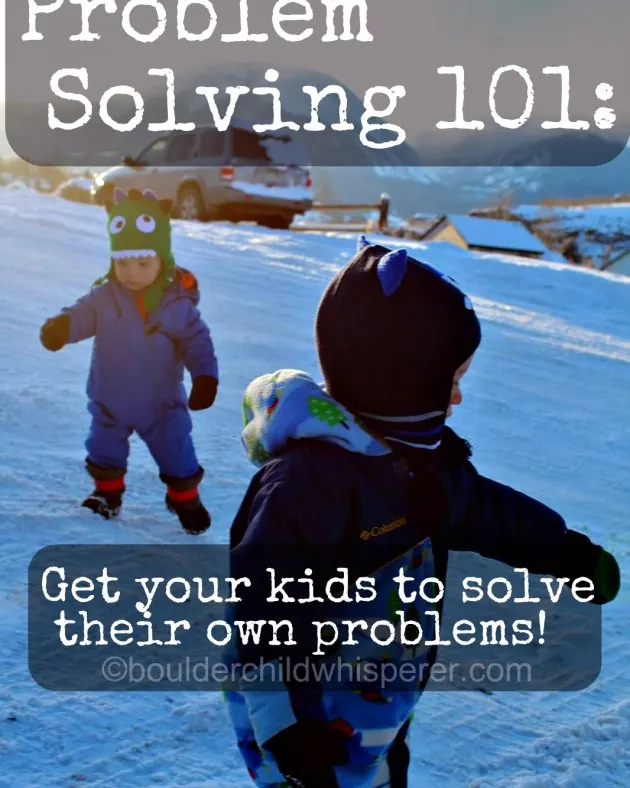
You’ll know the method is working when your child stops asking “What should I do?” and starts saying, “I have an idea, but I need help with X.” This shift shows they have taken ownership of the problem and are now using you as a resource rather than a director. Watch for the moment they start to pause before reacting to a setback. This brief hesitation indicates they’re accessing their own thought process instead of defaulting to a panic response.
You can also measure success by how they handle mistakes. If they can articulate why a solution failed and propose a second attempt without becoming overwhelmed, they have moved past the need for constant adult intervention. A common mistake is intervening the moment you see a flaw in their logic. This costs them the chance to experience the “productive struggle” that builds neural pathways for future resilience.
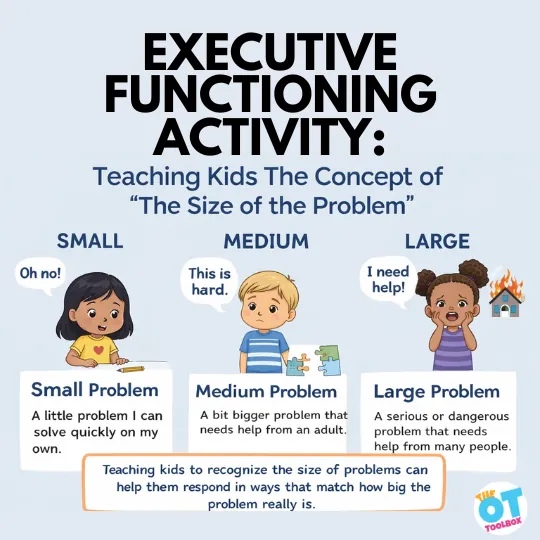
If the child is frustrated but still experimenting, let them continue for at least five minutes. If they’re spiraling into physical distress or destructive behavior, step in to reset the environment. This decision rule keeps them in the zone of proximal development.
This doesn’t mean they will never need help again, but it does mean they have developed the internal framework to handle standard daily obstacles. The limit of this independence varies based on the severity of the situation. For safety-critical issues, such as electrical hazards or traffic, you must always maintain immediate oversight regardless of their problem-solving ability. In these cases, prioritize direct instruction over inquiry to ensure physical safety. Independence is a tool for growth, not a replacement for parental protection during high-stakes scenarios.
Common Errors That Disrupt Growth
-
Solving the problem for them: Taking over when the child shows signs of struggle prevents them from building the necessary neural pathways for critical thinking. Instead, offer verbal support to help them stay calm while they work through the confusion themselves. If you intervene too quickly, you inadvertently signal that you don’t trust their competence. This creates a cycle of learned helplessness where the child waits for your input before even attempting a difficult task.
-
Critiquing their ideas too early: Providing negative feedback during the brainstorming phase causes children to shut down and stop sharing their thoughts. Wait until the evaluation phase to discuss why an idea might not work, ensuring they feel safe enough to voice even the most creative solutions. A common mistake is pointing out a flaw in the first thirty seconds of a conversation. This kills the momentum of their curiosity and shifts their focus from exploration to self-defense.
-
Focusing only on the result: Praising only the “correct” answer ignores the effort they put into the process of thinking. Focus your praise on their persistence and the logic they used to reach their decision, regardless of whether the final solution was perfect. If you only celebrate the “A” grade or the finished project, the child will eventually avoid challenging tasks to protect their ego. Reward the grit required to navigate a complex problem instead.
-
Ignoring the emotional component: Trying to force logical problem-solving when a child is in a state of high emotional distress will almost always fail. Allow time for them to calm down before asking them to engage their brain in a structured, step-by-step approach to the issue. The amygdala, which governs the fight-or-flight response, physically overrides the prefrontal cortex during a meltdown. You can’t teach logic to a brain that’s currently flooded with cortisol.
Related guides
Frequently Asked Questions

Can I help if they get frustrated?
Provide emotional support without taking over the task. Use phrases like “I can see this is tough” to help them regulate their emotions and stay focused on the solution. If they become overwhelmed, stop the task until their heart rate returns to a normal, resting pace.
What if they make a bad choice?
Allowing them to experience the natural consequences of a poor choice is often the best teacher. As long as the choice doesn’t involve physical danger, let the outcome happen so they can analyze why it went wrong during your next review session. If you shield them from every negative outcome, they never learn the decision rule: actions have costs. Experience is a far more effective instructor than a lecture.
How often should I intervene?
You should intervene only when there’s a risk of physical harm, property damage, or severe social consequences that the child can’t manage. For everything else, your role is to observe and ask guiding questions to keep them on the path of self-reliance. If you find yourself doing more than twenty percent of the work, you have crossed the line from mentor to participant.
Is this method right for all ages?
It’s effective for most children, but the complexity of the questions must match their developmental stage. Younger children need very simple, concrete options, while teenagers can handle abstract, long-term planning exercises. With a toddler, offer two choices; with a teen, ask them to outline three potential paths and the likely outcome of each.
What happens if they refuse to try?
If they refuse, it usually means they’re used to you solving things for them. You might need to step back further and calmly state that you trust them to handle it, then provide space for them to eventually choose to engage with the problem. Sometimes, the best intervention is to walk away entirely. This removes the “audience” and forces the child to confront the problem on their own terms.
Does this work for schoolwork?
This approach prevents children from becoming dependent on you for every answer. Ask them what they have tried so far and where they’re stuck instead of explaining the material. If they remain unsure, have them read the instructions out loud to re-engage with the content.
Conclusion
Trusting your child’s ability to handle small hurdles builds a foundation of lasting confidence. Next time they hit a snag, take a deep breath and wait a few extra seconds before you jump in. You’ll be surprised at how quickly they find their own way when you simply give them the space.