

You can teach a child to handle losing by modeling healthy reactions to defeat, keeping games short, and praising their effort rather than the result. Focusing on the process of playing rather than the final score helps children manage disappointment and supports the development of emotional regulation skills.
Tools to teach your child to handle losing
To turn playtime into a learning opportunity, you need a few basic things to keep the environment calm and structured. The goal is to provide a space where the child feels safe enough to experience frustration without the stakes feeling too high.
- Short-duration board games: Choose games that take 10 to 15 minutes to finish, such as simple card games or matching games. If a game lasts longer than 20 minutes, the child’s cognitive fatigue often overrides their ability to regulate emotions.
- A timer: Use a digital or analog kitchen timer to help set clear expectations for how long a session will last. This provides a tangible boundary, preventing the “just one more round” negotiation that often leads to outbursts.
- Simple scorekeeping materials: Use a whiteboard or a piece of paper to track points if the game requires it. Visualizing the score helps children understand that losing is a temporary state, not a permanent reflection of their skill.
- A calm-down corner: A specific, quiet spot in the house with a few soft pillows or a book where the child can go if they feel too upset. This isn’t a punishment; it’s a tool for self-regulation.
- Consistent rewards: Use non-material praise or a simple “high-five” to acknowledge the child’s participation. Focus your praise on the effort they made to stay calm rather than the win itself.
You don’t need fancy equipment or expensive games to do this. A deck of standard playing cards or even a simple game of tic-tac-toe works just as well as a store-bought set. If you’re unsure about the developmental milestones related to emotional growth, you can check the child development resources provided by the American Academy of Pediatrics.
Steps to guide your child through losses
- Model the behavior you want to see. When you lose a game, say things like, “That was a fun game, even though I didn’t win this time.”
- Keep the first few sessions short. Start with games that last under 10 minutes to prevent the child from becoming too tired or frustrated to manage their feelings.
- Praise the effort and the process. Focus your comments on how well they followed the rules or how quickly they learned the game mechanics, rather than the fact that they won or lost.
- Acknowledge their disappointment without fixing it. Say, “I can see you’re sad because you wanted to win,” instead of telling them not to cry or that “it’s just a game.”
- Offer a chance for a rematch. If the child is calm, ask if they want to play again, which shows them that a loss isn’t the end of the world.
- Step away if emotions run too high. If the child starts throwing pieces or becomes aggressive, stop the game immediately and move to a quiet activity to help them regulate.
Careful: If a child consistently reacts with physical aggression, this may indicate a need for more support than a parent can provide at home. In these cases, consult a pediatrician or a child counselor who specializes in behavioral health.
Adjusting for different situations
The intensity of the game must match the child’s current mood and energy level. If a child is hungry or tired, their capacity to handle losing drops significantly, making it harder to keep the experience positive.
| Situation | Time Required | Effort Level | What to Watch |
|---|---|---|---|
| First time playing | 5–10 minutes | Low | Watch for signs of boredom |
| High-energy day | 15–20 minutes | Medium | Watch for physical restlessness |
| Tired or hungry | 5 minutes | Minimal | Watch for quick emotional outbursts |
| Competitive mood | 10 minutes | High | Watch for unfair rule-changing |
Use this decision rule: if the child asks to play again, you have succeeded. If they walk away or become distracted, you have stayed too long. A common mistake is pushing for one final round when the child’s focus begins to drift. This error often costs you the child’s willingness to play the game again tomorrow.
It’s always safer to start with a short session and add time later than to overshoot on the first try. Starting small prevents the child from feeling overwhelmed by the pressure of a long competition. If you notice the child shifting their weight or looking away, stop immediately. Ending on a high note ensures they associate the game with fun rather than exhaustion.
How to recognize progress
A good result shows a child who can express their disappointment verbally, such as saying “I’m sad I lost,” rather than acting out physically. A poor result involves hitting, screaming, or refusing to play ever again. This happens because the child lacks the language to process their internal frustration, causing them to rely on physical outbursts.
You can prevent this by consistently narrating their feelings for them and showing that winning isn’t the only way to earn praise. If a child stops mid-tantrum to listen to your narration, progress is happening. That pause is the moment their brain shifts from the reactive amygdala to the logical prefrontal cortex.
The mistake parents make is ignoring the quiet moments. Praise the child for staying calm during a minor loss. If they struggle, focus on their effort rather than the final score.
The rules of healthy competition
To maintain this balance, avoid over-praising the winner. Instead, highlight the specific choices made by both players, such as a clever move or a patient turn. This shifts the focus from the outcome to the process of playing.
After a game, clear away the pieces quickly to signal that the event is over. If you notice the child is still dwelling on the loss after 15 minutes, redirect them to a physical activity like running outside or drawing.
The decision rule is simple: if the child can discuss the game calmly, keep talking. If they remain fixated on the defeat, stop the conversation entirely. This shift in focus helps reset their mood and prevents frustration from lingering into other daily activities.
Alternative ways to build resilience
Playing team-based games
When children play on a team, the focus shifts from individual failure to collective effort. This reduces the personal sting of losing because the responsibility for the outcome is shared among all players.
Using cooperative games
In cooperative games, all players work together against the game itself. This teaches children how to strategize and communicate without the fear of losing to an opponent.
Practicing through role-play
Use puppets or stuffed animals to act out a scene where one character loses a game.
Frequently asked questions
How do I stop my child from cheating?
Cheating usually happens when a child feels the pressure to win is too high. Address this by focusing on the fun of the process rather than the score. If they cheat, calmly point it out and say, “We follow the rules so the game stays fair for everyone.” If they continue to cheat, end the game early and suggest a different, non-competitive activity to do together.
Is it okay to let them win sometimes?
Yes, but do it rarely so they don’t expect it every time. Use the win as a rare treat to boost confidence when they’re learning a difficult game.
How long should a game last?
Keep games short for young children. At this age, their ability to focus and manage their emotions is limited. If a game goes on too long, they’re much more likely to become tired or irritable. If you choose a long game, plan to take a break to reset their energy.
What should I do if they cry after losing?
Acknowledge their feelings immediately by saying, “It’s okay to be sad when you lose.” Don’t try to distract them or tell them to stop crying, as this can make them feel unheard. Sit with them, offer a hug, and wait for them to calm down. Once they’re quiet, move on to a different activity to show that life continues after a loss.
How can I make losing less scary?
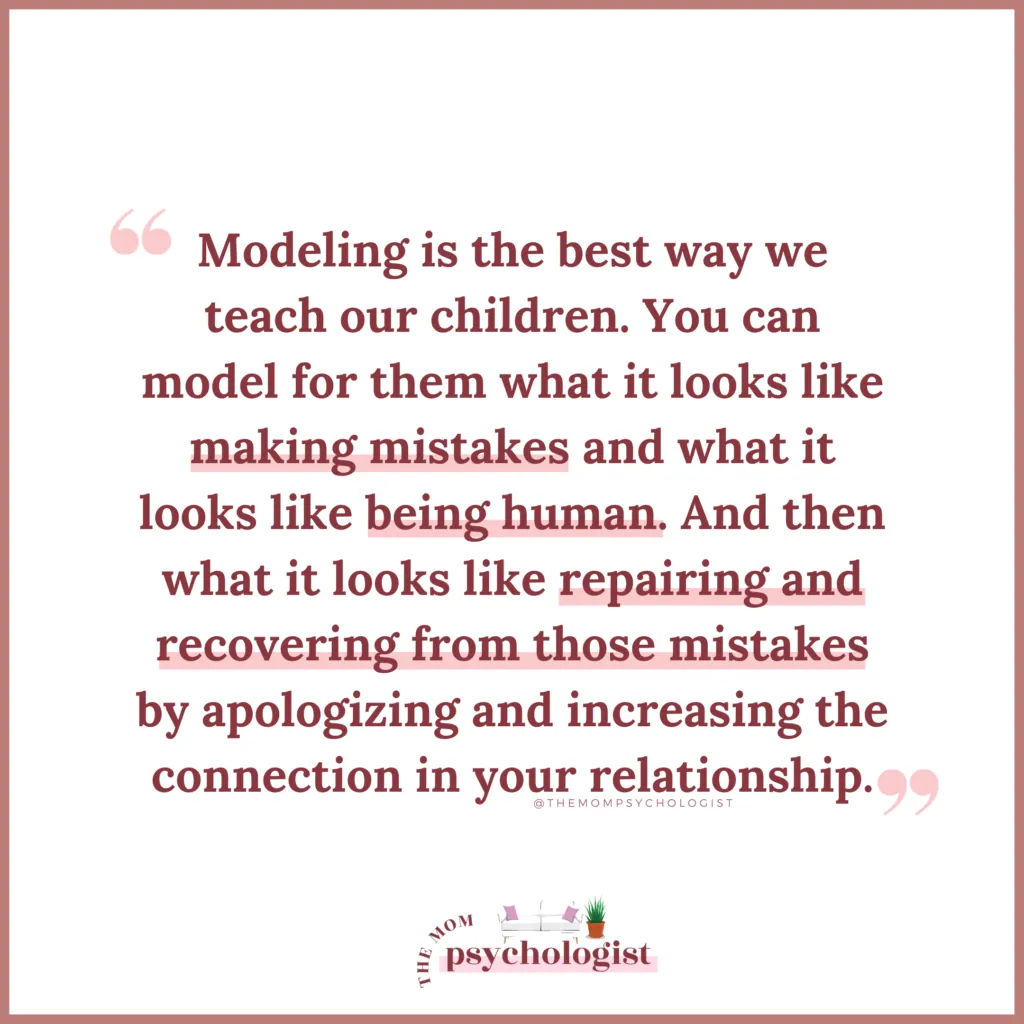
Normalize losing by discussing your own daily mistakes. If you drop a glass, say, “I made a mistake, but I can fix it.” This teaches children that errors are a normal part of life rather than a sign of failure, helping them handle small defeats with grace.
Conclusion
When your child faces a tough loss next time, stay calm and offer a simple hug. Remind them that every game is just a chance to learn something new. You’ll find that as they grow, they won’t just handle defeat better—they’ll become more confident in everything they try to do.
Related guides