

You can teach kids to clean up after themselves by practicing for 15 minutes every day to build a habit. Expect to provide active guidance for a few weeks before they work independently. You should also give every item a specific home so the child can finish the task.
Tools to help kids clean up
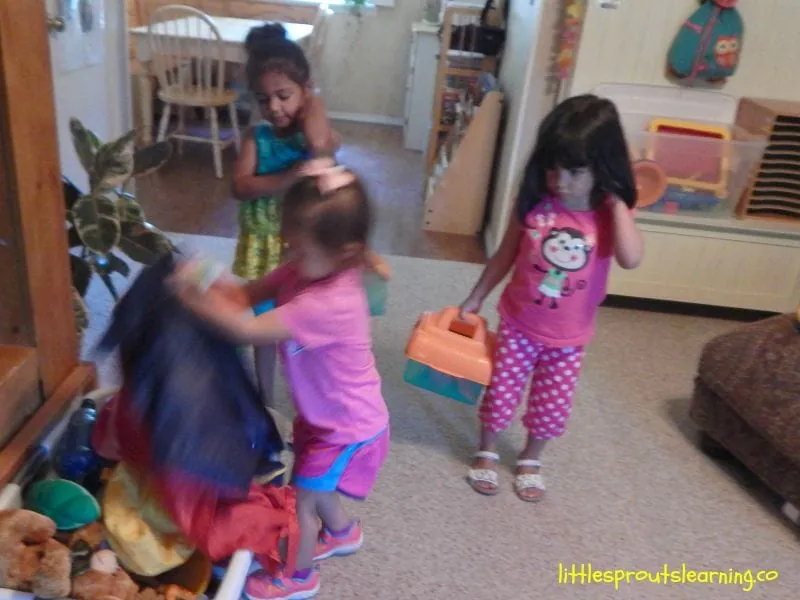
You need to provide simple, accessible storage solutions to help children succeed. If the containers are too heavy or the shelves are too high, the child will fail regardless of their effort.
| Item | How much | Why it’s needed | A substitute |
|---|---|---|---|
| Low bins | 3-5 units | Easy access for small hands | Cardboard boxes |
| Labels | 1 per bin | Shows where items belong | Drawn pictures |
| Timer | 1 device | Adds fun and structure | Kitchen clock |
| Small broom | 1 tool | Encourages age-appropriate work | Damp cloth |
| Sorting tray | 1 item | Keeps small parts organized | Plastic bowl |
Choose bins with open tops rather than lids. Lids require fine motor skills that frustrate toddlers and create a barrier to quick cleanup. If a child has to struggle with a latch, they will simply leave the toy on the floor.
Use the timer to set a specific duration, such as five minutes. This creates a clear boundary for the task. If the child is under four, keep the session under three minutes to prevent burnout.
The most common mistake is over-organizing. If you have more than five bins, the sheer volume of choices overwhelms a young child. If they seem paralyzed by the task, remove two bins and rotate them later. This decision rule simplifies their environment and ensures they can actually finish what they start.
Getting the area ready
Clear the floor space so the child can see the entire area that needs cleaning. An open floor acts as a visual map, helping them understand the scope of the project before they begin.
Sort items into categories like “blocks,” “books,” and “cars” to make the job less overwhelming. If you have more than thirty items, use a color-coded bin system to group them. This narrows their focus to one small pile at a time.
Place bins at the child’s eye level to ensure they can reach them without needing a step stool. If a bin is higher than their shoulder, they will likely toss items, leading to more clutter.
Always remove breakable objects or dangerous items from the area before the child starts working. This creates a safe “yes” space where they can’t accidentally cause damage.
The most common mistake parents make is doing the work for the child when they’re slow. This teaches the child that you’ll eventually finish the task for them. If your child is stalling, set a timer for five minutes. If they’re still struggling, offer to help with one specific category rather than the entire room.
Steps to build the habit
- Start by cleaning together for 5 minutes while narrating your actions, such as saying, “I am putting the red blocks in the blue bin.”
- Set a visual timer for 10 minutes to create a sense of urgency without making the chore feel like a punishment.
- Give one clear instruction at a time, like “Put the books on the shelf,” instead of saying “clean the room.”
- Stand nearby to offer verbal encouragement, but resist the urge to touch the items yourself unless the child is truly stuck.
- Check that each item is in its correct bin by looking at the label together once the timer stops.
- Celebrate the completion of the task with verbal praise, focusing on the effort they made rather than the perfection of the result.
- If the room is still messy, pick one small corner to finish together, ensuring you don’t leave the job completely undone.
- Keep the cleaning session short and predictable to prevent frustration, especially when the child is tired or hungry.
Signs of success
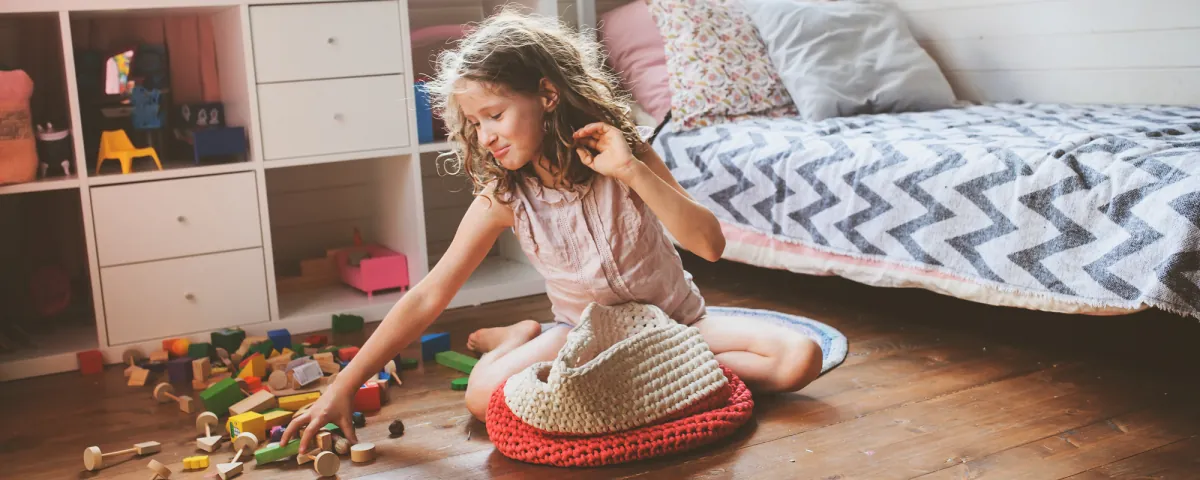
You’ll know the process is working when the child begins to put an item away immediately after they finish playing with it without being told. A successful session ends with the floor being clear of hazards and all items returned to their labeled bins. If you notice the child is leaving items on the floor but sorting them into piles, they have mastered the concept of grouping but need help with the final step of placing items in storage. If the child becomes frustrated or starts crying, stop the session immediately and try again after a snack or a nap. You should observe that the time it takes to clean decreases as the child becomes more familiar with the system. If it takes longer than 20 minutes to tidy a small play area, the child likely has too many toys out at once; reduce the number of available items to make the task manageable again.
Problems and solutions
| What happened | Why | What to do |
|---|---|---|
| Child refuses | Overwhelmed by mess | Break into smaller tasks |
| Items are misplaced | Labels are missing | Add photos to bins |
| Constant stalling | Tired or hungry | Change the time |
| Rushed work | Wants to play | Check work together |
| Throwing toys | Frustration | Model slow movements |
When a child refuses, the mistake is pushing them to finish the whole room at once. This often triggers a total shutdown.
If you find toys in the wrong bins, labels are likely too abstract for their age. Use photos of the specific items on the front of the containers. This creates a visual matching game rather than a chore.
If they throw toys, stop the activity immediately. Model picking up one item with slow, deliberate motions to reset the pace. If they remain agitated, they’re likely overstimulated. Switch to a quiet, solitary activity for ten minutes before trying again.
How often to tidy
You should aim for daily cleanup sessions to maintain a baseline of order. The frequency depends on two main things: the age of the child and how many toys they use during the day.
A three-year-old may need to tidy once a day before bed, while a seven-year-old can handle tidying after each specific activity. If your child plays with many small pieces, you might need to enforce a “one-out, one-in” rule to prevent the mess from growing too large.
This rule is a crucial decision point. If the play involves granular items like LEGO bricks or beads, enforce the rule immediately to avoid a cleanup that takes longer than twenty minutes. If the play involves large items like blocks or stuffed animals, you can safely wait until the end of the day.
Adjust your expectations based on your child’s energy levels. If they have had a long day at school, a shorter, guided session is better than a long, independent one. Always look at the state of the room to decide if you need one or two sessions per day.
Frequently asked questions
Can I use a reward system to help?
Yes, using a sticker chart for consistent effort helps, but avoid paying for chores. A sticker acts as a visual sign of success that motivates children to keep the space clean. If you use rewards, ensure they’re small and immediate rather than large prizes given at the end of the month.
How long should a cleanup take?
A standard cleanup session for a toddler lasts about 10 minutes, assuming the room isn’t excessively cluttered. If the room has too many toys, it will take much longer for a young child to process the mess. Keep the volume of toys low to ensure the child can finish within this 10-minute window.
Is it safe to let them clean alone?
No, you must supervise children under age six to ensure they don’t trip or handle heavy items incorrectly. You’re responsible for identifying sharp edges or heavy bins that could fall on a child. Always check that the area is clear of small choking hazards before you let them begin.
What happens if they refuse to help?
If they refuse, calmly explain that play time can’t continue until the items are put away. Don’t argue or yell, as this turns the cleanup into a power struggle rather than a routine. Gently guide their hand toward the first item and wait for them to place it in the bin.
Does it matter if they do it perfectly?
No, the goal is to build the habit of tidying, not to achieve a perfectly clean room. If the child puts the blocks in the wrong bin, let it go for now as long as the floor is clear. You can gently correct the sorting during a later session when the child is fresh.
Why do they lose interest quickly?
Simplify the number of toys available to prevent children from feeling overwhelmed. If a child sees 50 toys on the floor, they will likely quit before starting. Limiting the items they can use at one time helps them focus on the task.
Conclusion
Be patient with the process, as your child won’t get it right every single time. Instead of aiming for perfection, celebrate the small wins and keep the mood light. You’ll soon find that tidying up feels like a natural part of your family’s daily rhythm rather than a stressful chore.
Related guides