

You can support your child by creating opportunities for social interaction and modeling positive communication, as how to help a child make friends at school depends on consistent encouragement and patience. Success levels vary based on your child’s temperament, their current age, and the social culture of their school.
Helping your child make friends
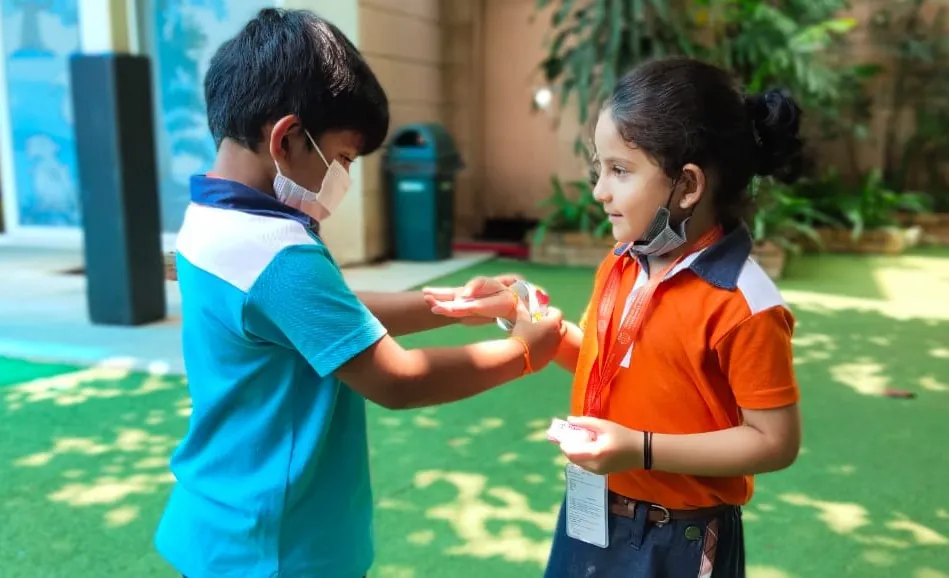
Parents often look for ways to guide their children through the complexities of building relationships. This page serves parents of children in elementary and middle school who are seeking practical, actionable strategies to improve social confidence. It doesn’t address severe social anxiety or behavioral disorders that require professional intervention. We assume your child is generally healthy and attending a standard school environment. If your child struggles with intense fear or persistent isolation, please consult a school counselor or a licensed child psychologist. This article focuses on supporting the average student who needs a gentle push to initiate conversations and build lasting connections with their peers.
Factors that influence social success
Several elements determine how easily a child connects with others, and understanding these can help you adjust your support. The most important factor is the child’s natural temperament; introverted children may prefer one or two close friends, while extroverts might seek larger groups. You can determine where your child stands by observing their energy levels after school.
Another factor is the school’s structure. Schools with organized recess games or supervised clubs provide a better environment for shy children to interact than unstructured, chaotic playgrounds. You should check the school’s website or parent handbook to see what clubs are available.
A common mistake parents make is forcing their child into too many social activities at once. This often leads to exhaustion and social burnout. If your child seems overwhelmed, reduce the number of playdates and focus on one-on-one time instead. The final variable is the time of year; children often form cliques during the first month of school, so the window for joining a group is widest at the start of the term.
Steps to encourage new friendships
- Listen to your child’s feelings about school without immediately trying to “fix” the situation, as this builds the trust needed for them to share their social worries.
- Practice basic conversation skills at home, such as making eye contact, saying hello, and asking simple questions like, “What game are you playing?”
- Role-play common playground scenarios where your child might feel nervous, using puppets or action figures to demonstrate ways to join a group.
- Invite one potential friend over for a short, structured playdate lasting about 90 minutes, providing a clear activity like building blocks or baking cookies.
- Monitor the playdate to ensure the interaction remains positive, but step back to let the children resolve minor disagreements on their own.
- Ask your child specific questions about their day, such as “Who did you sit with at lunch?” rather than general questions like “Did you have fun?”
- Contact the teacher if you suspect bullying or persistent exclusion, as they can facilitate inclusive seating arrangements or group projects.
- Celebrate small social wins, such as when your child introduces themselves to a new classmate or shares a toy.
The main judgement call is knowing when to intervene. If your child is simply shy, your role is to provide a safety net; if they’re being targeted or excluded, your role shifts to being an advocate.
Social strategies for different situations
| Situation | What to do | Effort level | Watch for |
|---|---|---|---|
| New at school | Introduce them to a buddy | Low | Signs of loneliness |
| Very shy child | Start with one friend | Medium | Over-stimulation signs |
| Group exclusion | Speak with the teacher | High | Repetitive patterns |
| Conflict happens | Teach conflict resolution | Medium | Emotional outbursts |
| Low confidence | Focus on shared interests | Low | Positive peer feedback |
Improving social interactions
Preparing for social success
Experienced parents focus on building a child’s confidence outside of school first. When children feel capable in areas like sports, art, or reading, they carry that confidence into social settings. You can help by encouraging hobbies where your child interacts with others who share the same interest. This creates a natural bridge for conversation. Beginners often focus too much on the “number” of friends rather than the quality of the interaction. Remember that one supportive friend is often enough to change a child’s entire school experience.
Managing school-day expectations
Experienced parents know that lunch and recess are the most difficult times for many children. They teach their kids that it’s okay to be alone sometimes or to read a book while sitting near others. This removes the pressure to “perform” socially, which can actually make a child more approachable. Always focus on your child’s comfort level rather than your own social ambitions for them.
Handling common social hurdles

| What you notice | What it means | What to do first | How to stop it |
|---|---|---|---|
| Quiet at home | School is draining | Give downtime | Schedule quiet hours |
| Refusing school | Social anxiety | Talk to teacher | Build routines |
| Constant complaints | Peer conflict | Listen actively | Role-play solutions |
| No playdates | Missing links | Reach out to parents | Facilitate one invite |
| Playing alone | Preferred solitude | Validate feelings | Observe from afar |
Understanding relevant school rules
Local school districts establish the rules regarding social interaction and student behavior. Most districts provide a code of conduct on their official website that outlines policies on bullying and social inclusion. If you believe your child is being treated unfairly, follow the district’s established grievance procedure rather than confronting other parents directly. Never attempt to handle a serious bullying situation without the school’s involvement, as this can escalate the issue and complicate your child’s position. Always document dates and specific incidents before meeting with school administrators to ensure you have a clear, factual account of what is occurring.
The true cost of social support
The cost of supporting your child is primarily measured in your own time and emotional energy. You’ll need to invest time in coordinating playdates, communicating with other parents, and helping your child process their daily experiences. The financial cost is usually minimal, though occasional expenses for activities or small treats for playdates may arise. Costs increase when you choose to enroll your child in extracurricular clubs or sports teams to build their social circle. The most expensive investment is the emotional patience required to handle setbacks without becoming overly anxious yourself. Remember that your child reads your stress; if you’re worried about their social life, they will likely feel that same pressure during the school day.
Maintaining social progress
Once your child begins to make friends, keep the momentum going by staying involved in the school community. Attend parent-teacher meetings and school events where you can meet the families of your child’s new friends. This familiarity makes future playdates much easier to arrange. If your child’s social activity dips, look for the sign that they need a break, such as increased irritability or a sudden reluctance to go to school. You can put things right by scaling back on organized social time and focusing on home-based activities for a week. Allow your child to lead the way; if they seem happy with their current social circle, avoid the urge to add more pressure or activities.
When this isn’t enough
If your child shows signs of extreme withdrawal, such as refusing to speak or exhibiting physical symptoms like stomach aches before school, this approach is likely insufficient. In these cases, you should seek guidance from a school counselor or a pediatrician. These professionals can determine if your child needs specific social skills training or support for underlying anxiety. Don’t attempt to diagnose or treat these issues yourself, as professional intervention provides the necessary tools for your child to thrive. Relying on school resources ensures that the support is integrated into your child’s daily environment, which is far more effective than trying to manage a serious issue in isolation.
Frequently asked questions

Can I force my child to play with others?
No, forcing social interaction often creates resentment and anxiety. Instead, create low-pressure opportunities for them to interact with peers who share similar interests, allowing them to initiate contact at their own pace.
Why is my child always alone at recess?
Your child may prefer solitude or might lack the skills to join an existing group. Observe whether they seem content or distressed, as some children use this time to recharge their energy.
How long does it take to make a friend?
Friendships typically develop over several weeks of consistent, positive interaction. Most children need multiple shared experiences before they feel comfortable enough to invite a classmate to play or call them a friend.
Is it safe to message other parents?
Yes, reaching out to other parents is a standard way to arrange playdates. Keep your first message brief and focused on a specific, low-stakes activity to see if the families are a match.
What happens if my child is rejected?
Rejection is a painful but normal part of childhood social development. Validate their feelings, remind them that not everyone will be a perfect match, and encourage them to focus on other classmates.
Does it matter if they have only one friend?
No, having one close, reliable friend is often more beneficial than having many superficial acquaintances. Quality of connection is a better indicator of your child’s well-being than the size of their group.
Conclusion
Start by asking your child who they sat with at lunch today to open a simple conversation. You should expect to see small, incremental improvements in their confidence over several weeks. If your child consistently reports feeling isolated or targeted, it’s time to stop and contact the school guidance counselor for professional support.
Related guides